Broadbottom Buttonery 
Tom Maringer: Garret Master
contact:  maringer@arkansas.net


Handmade Sewing Buttons
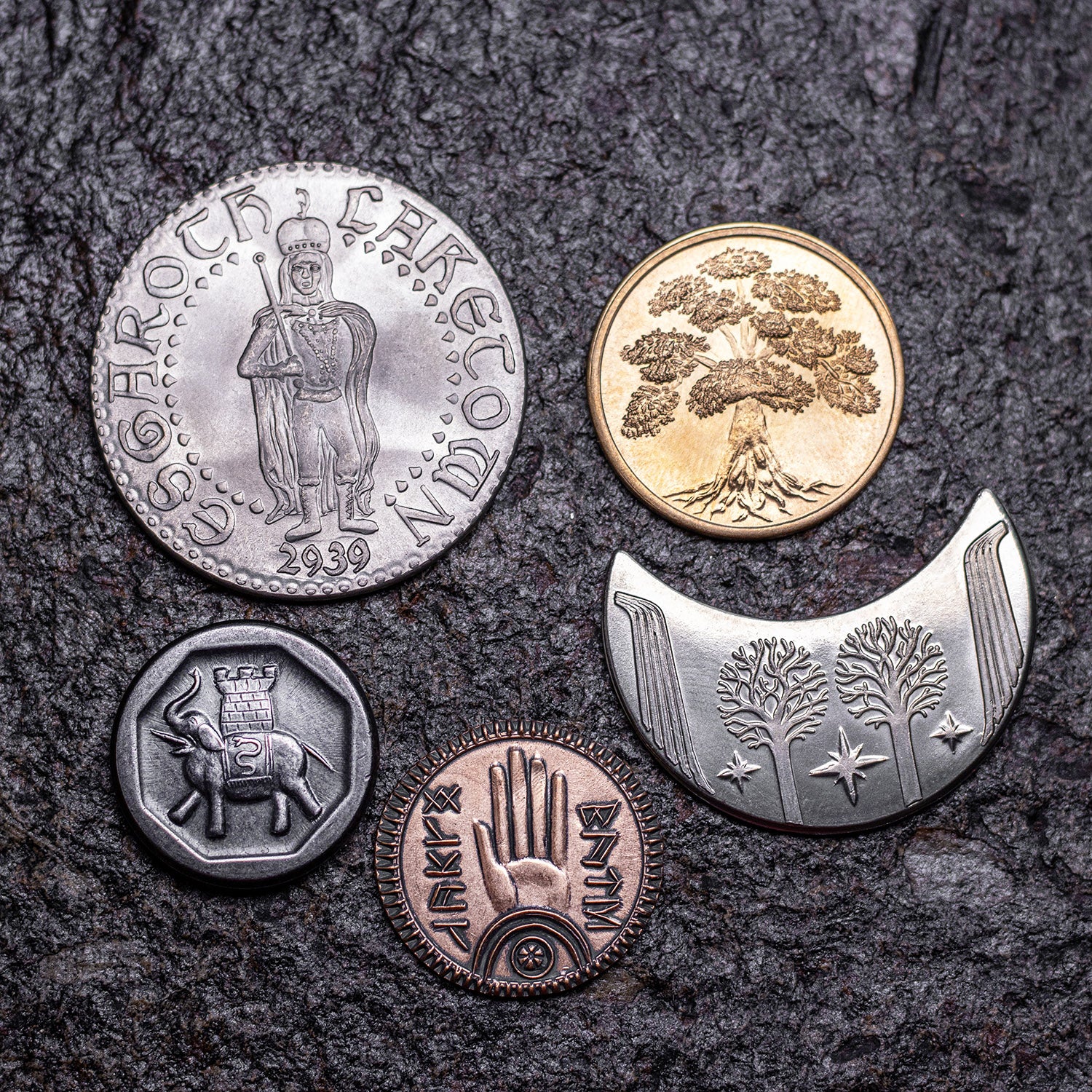
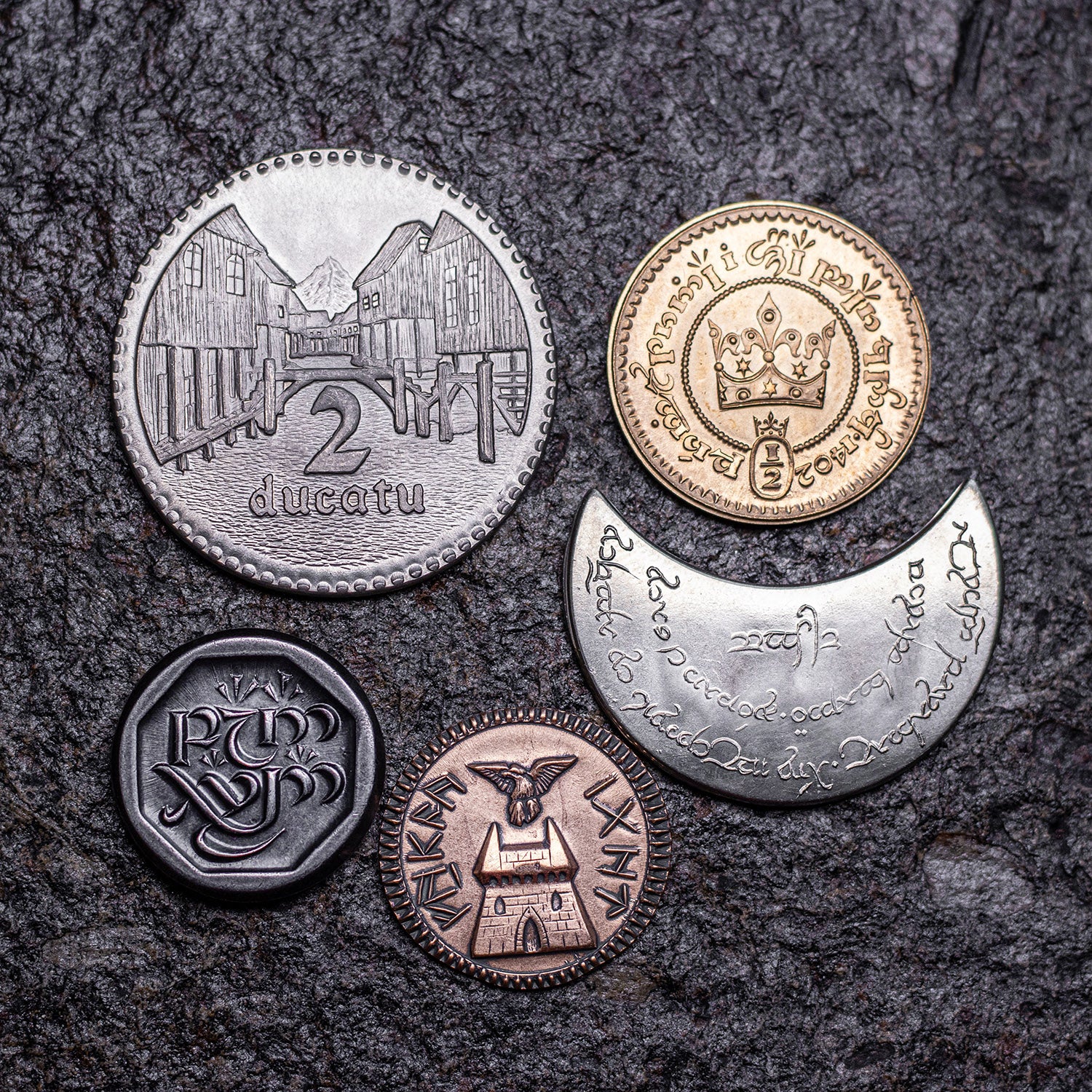
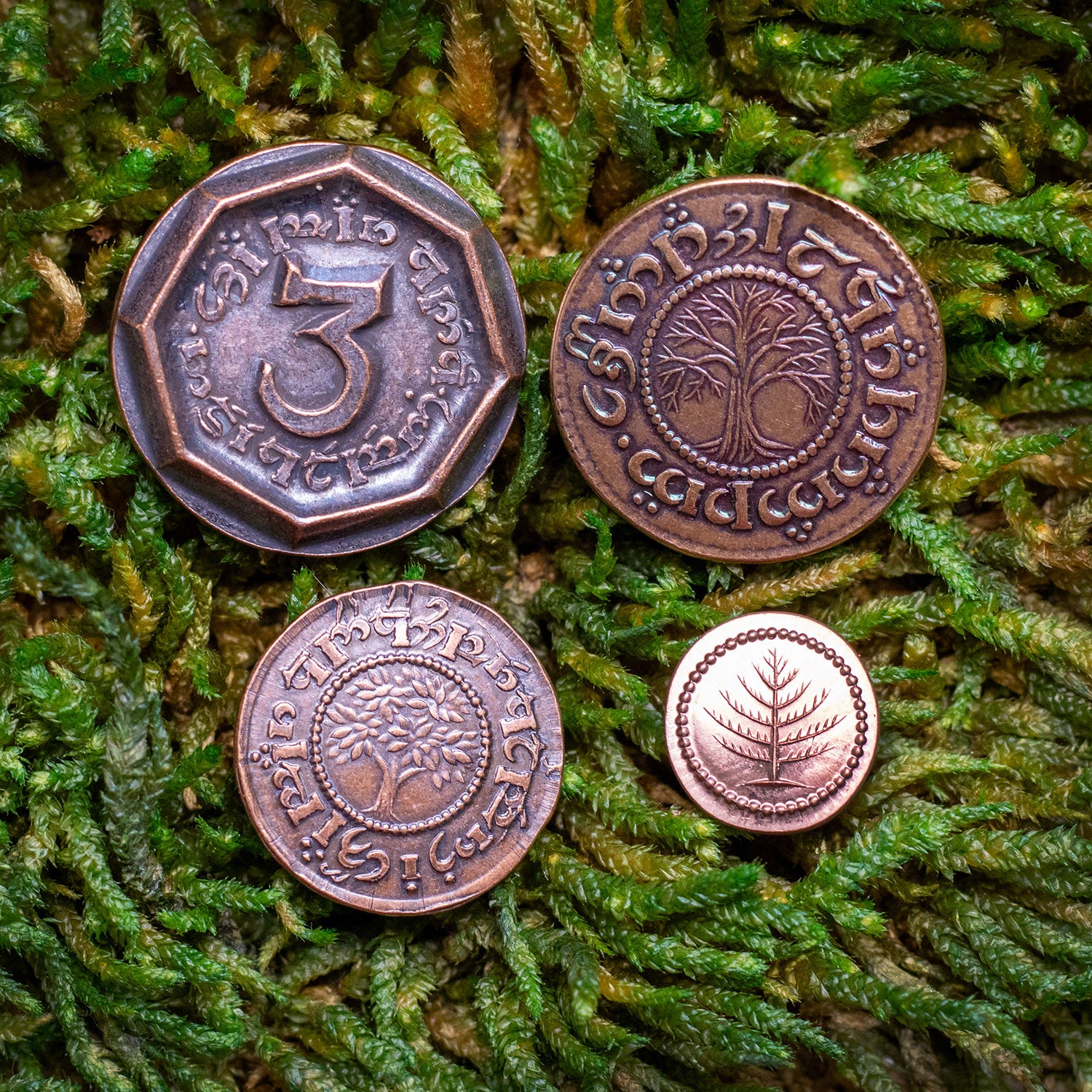
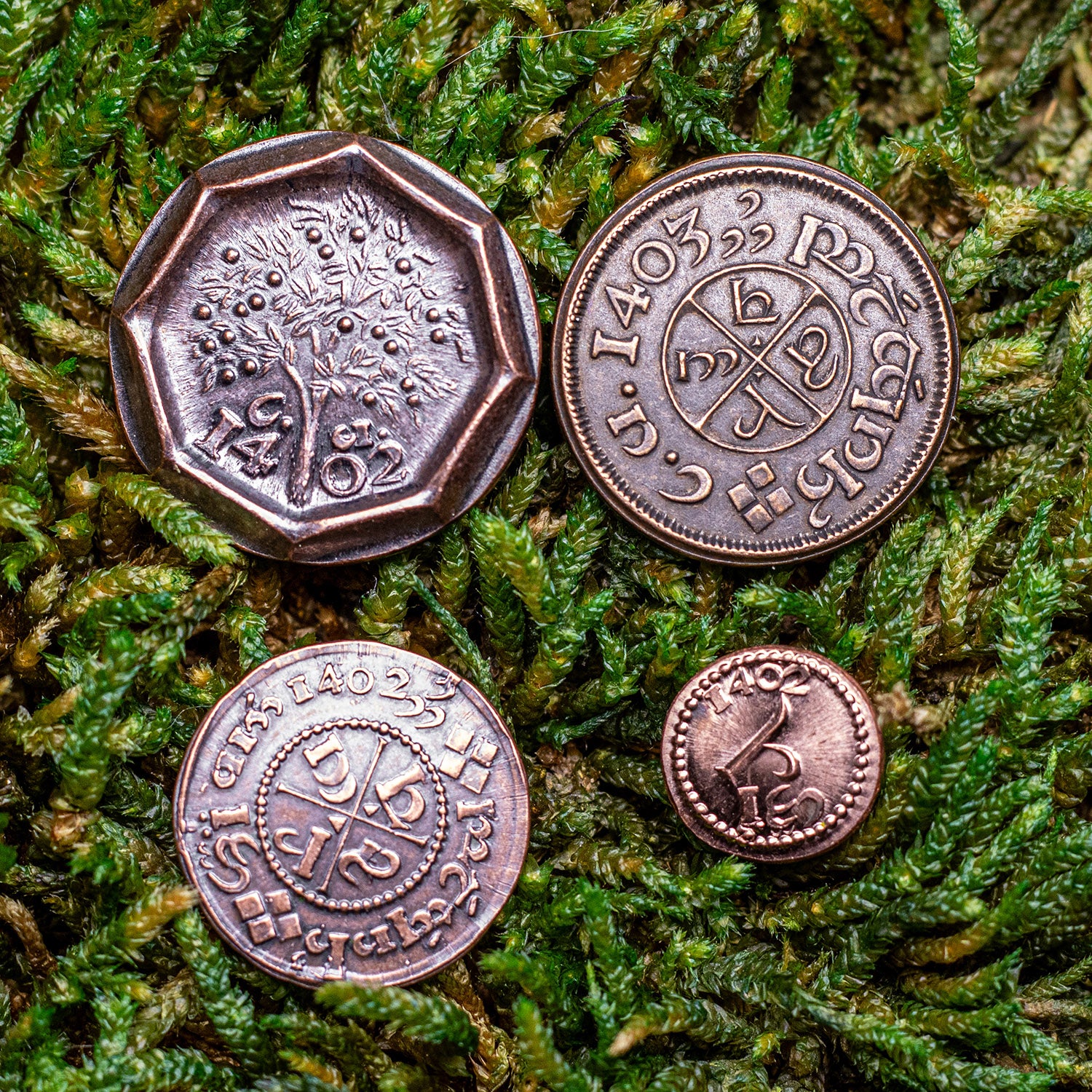
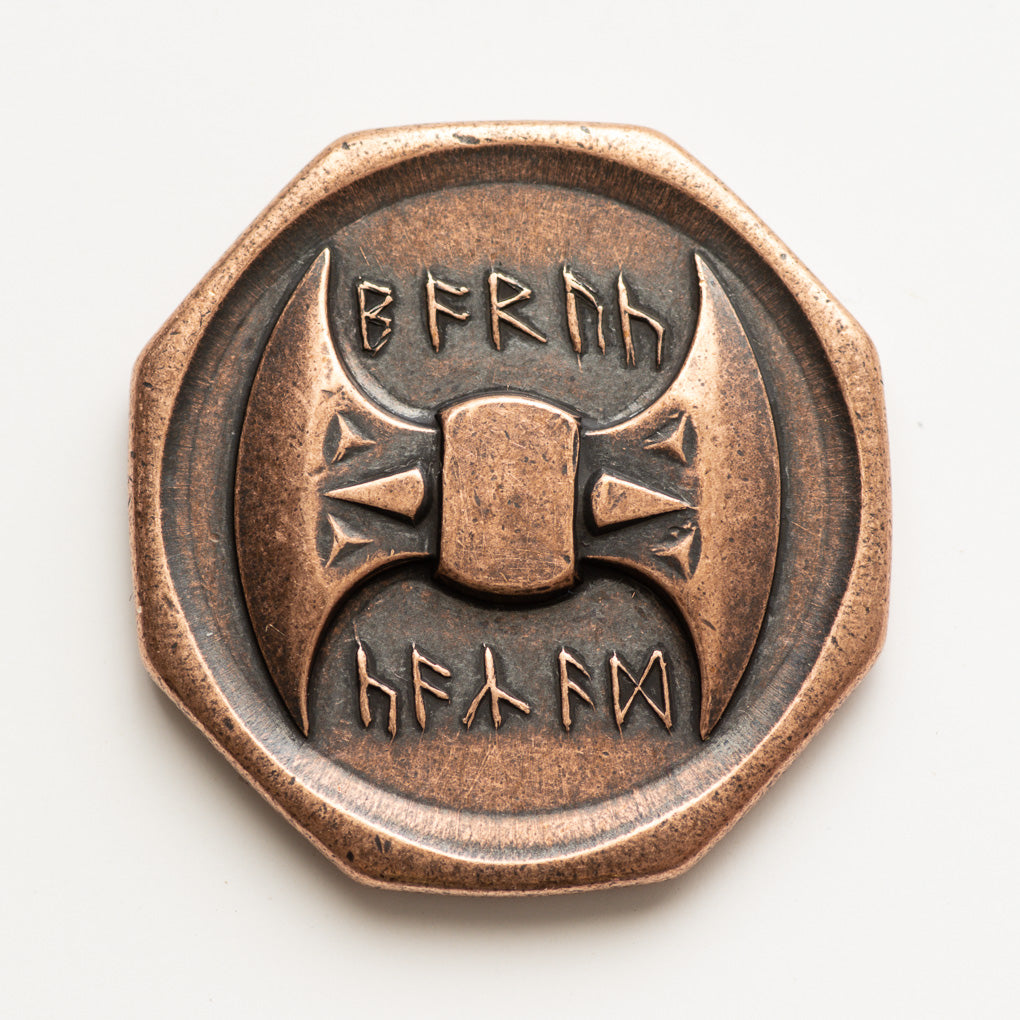
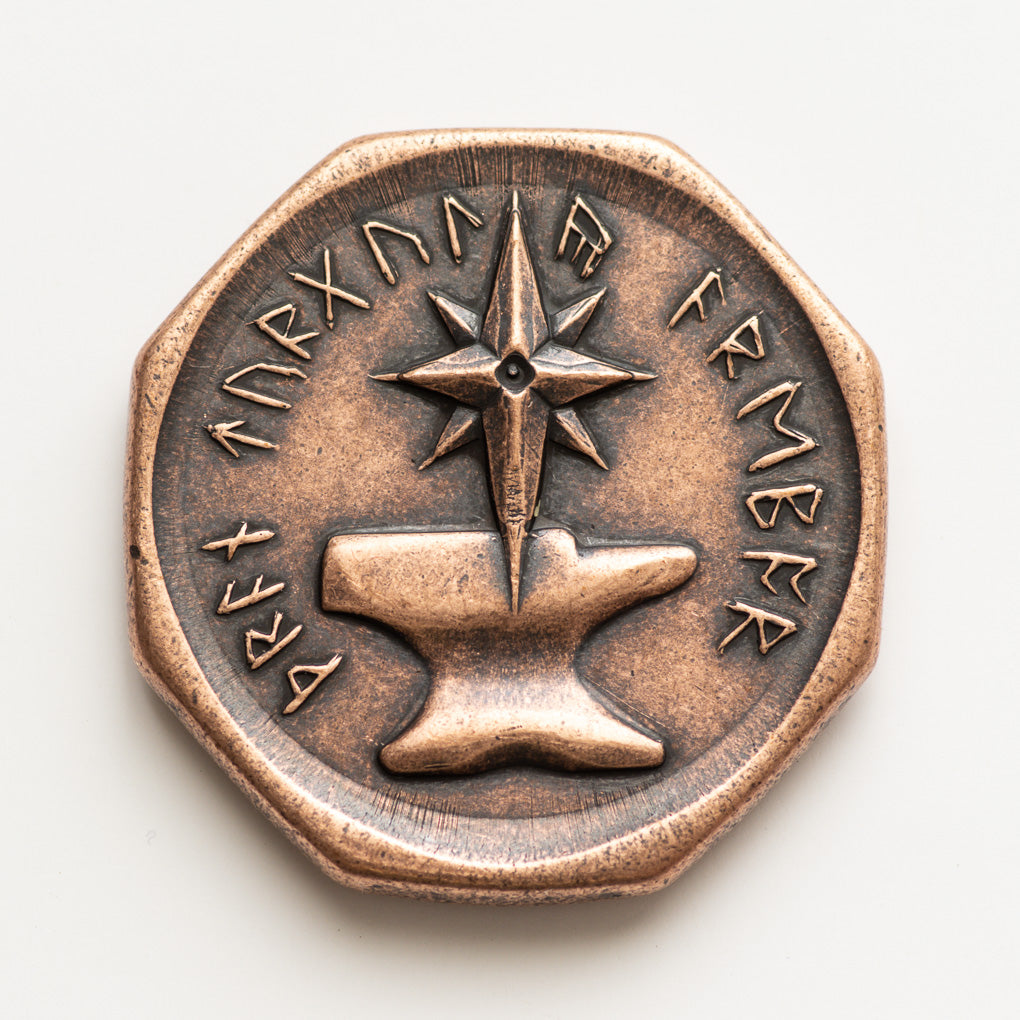
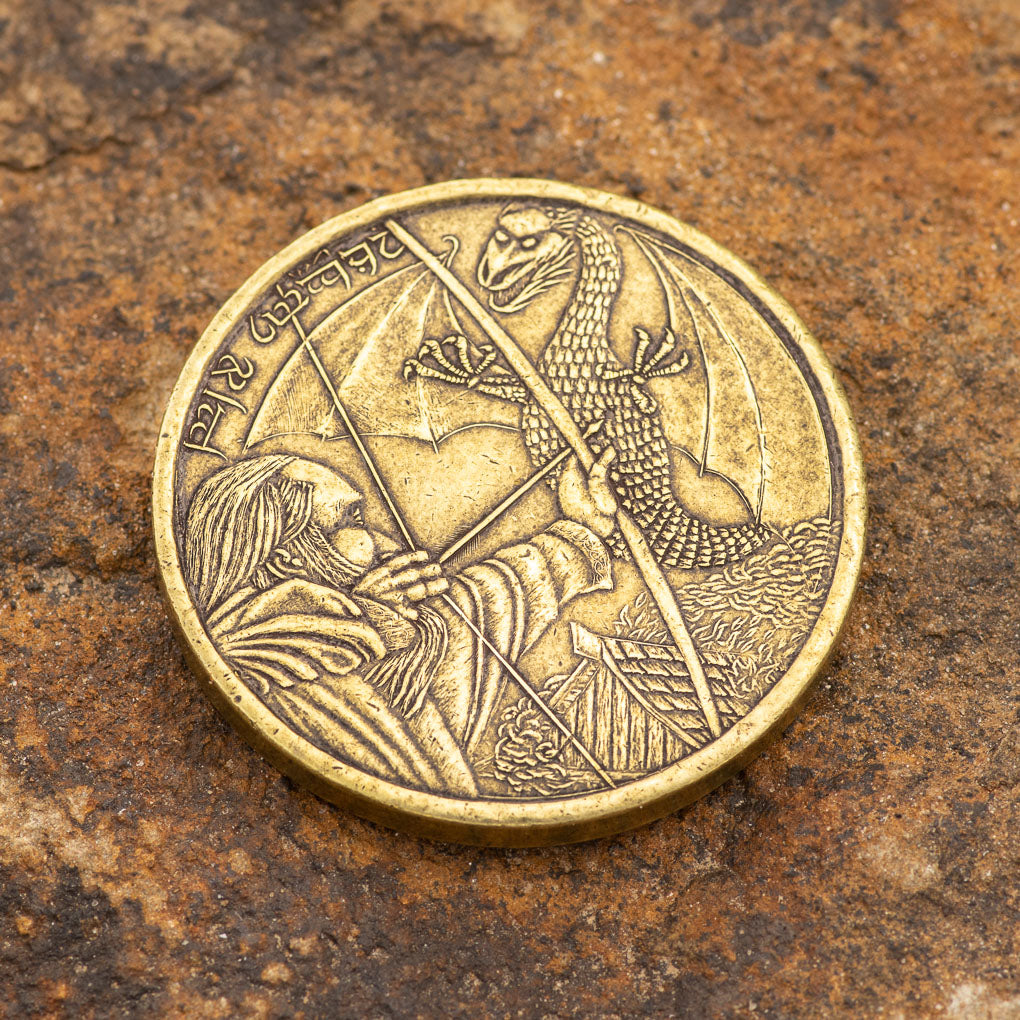
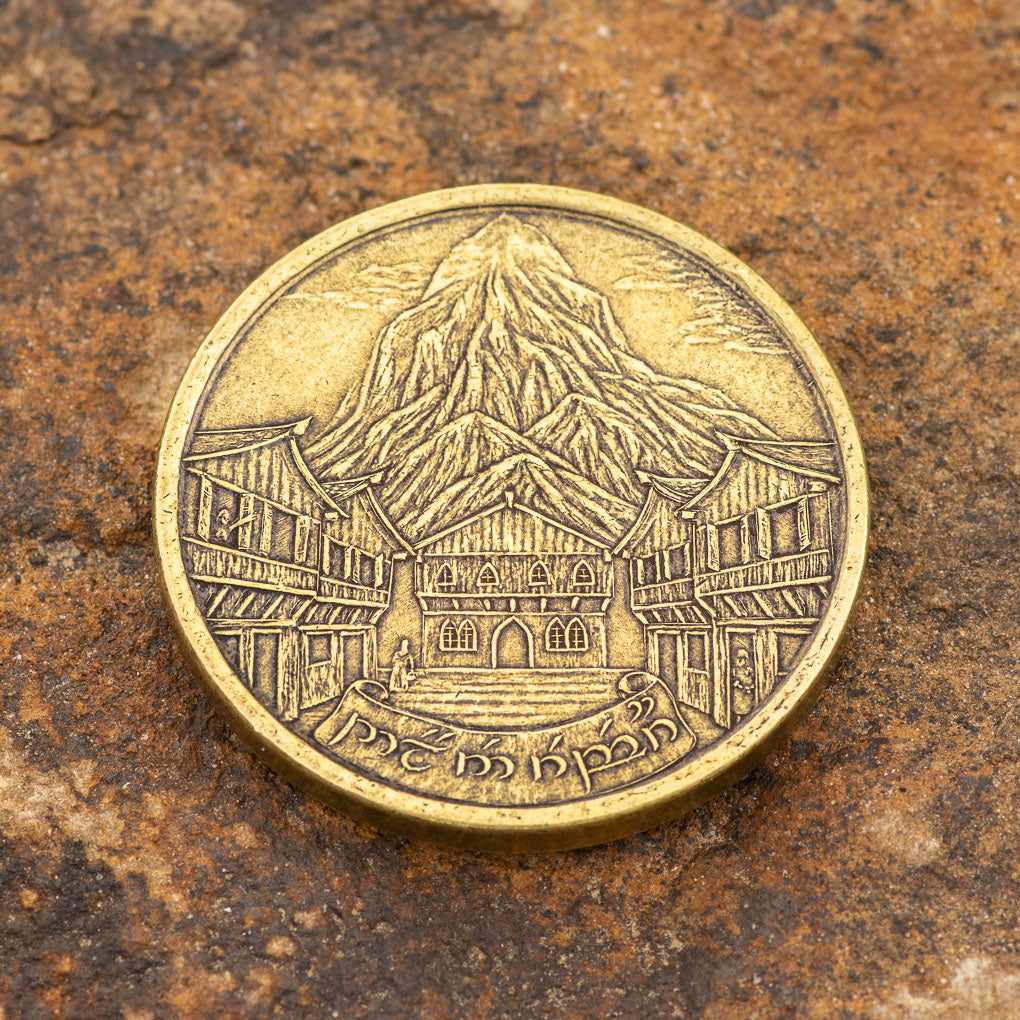
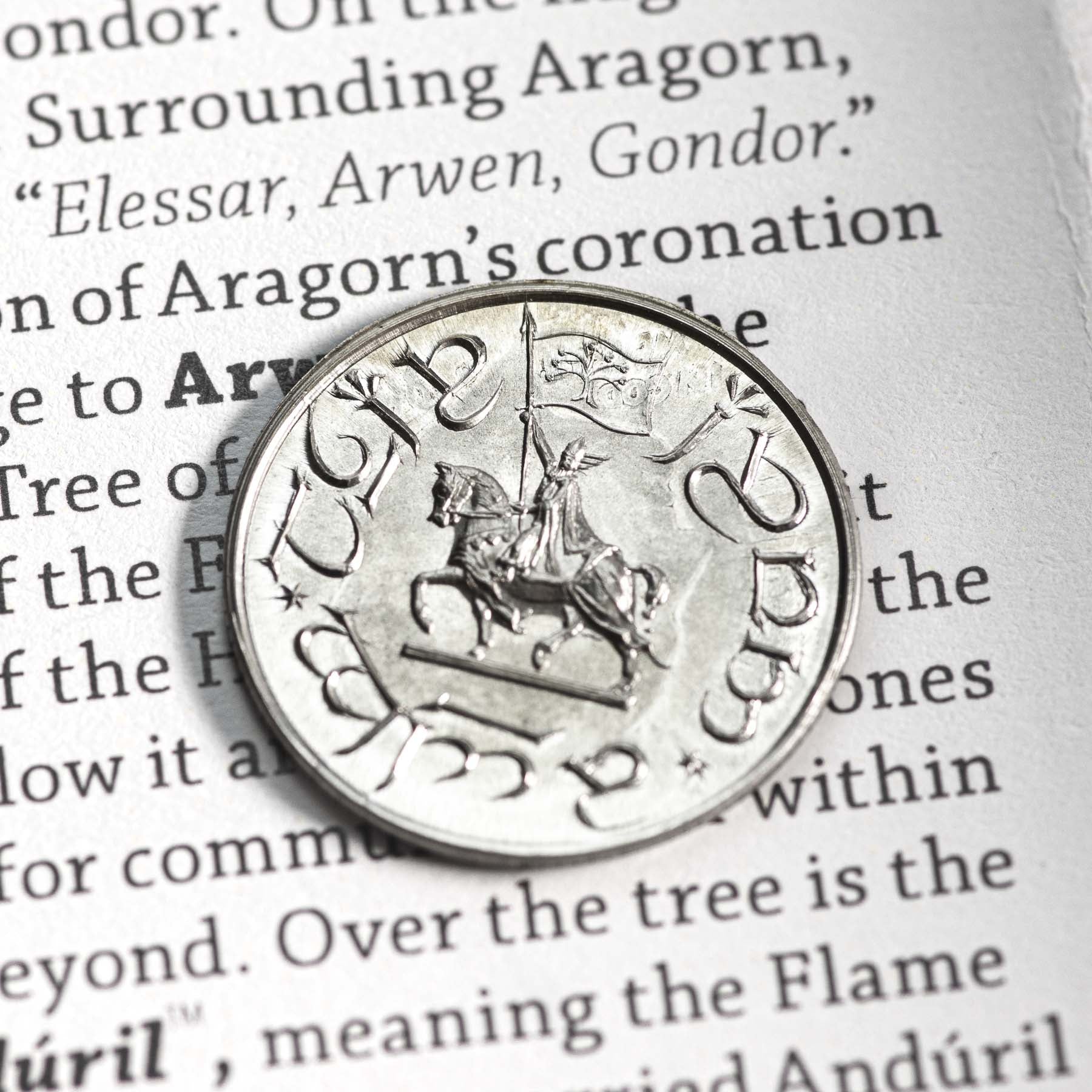
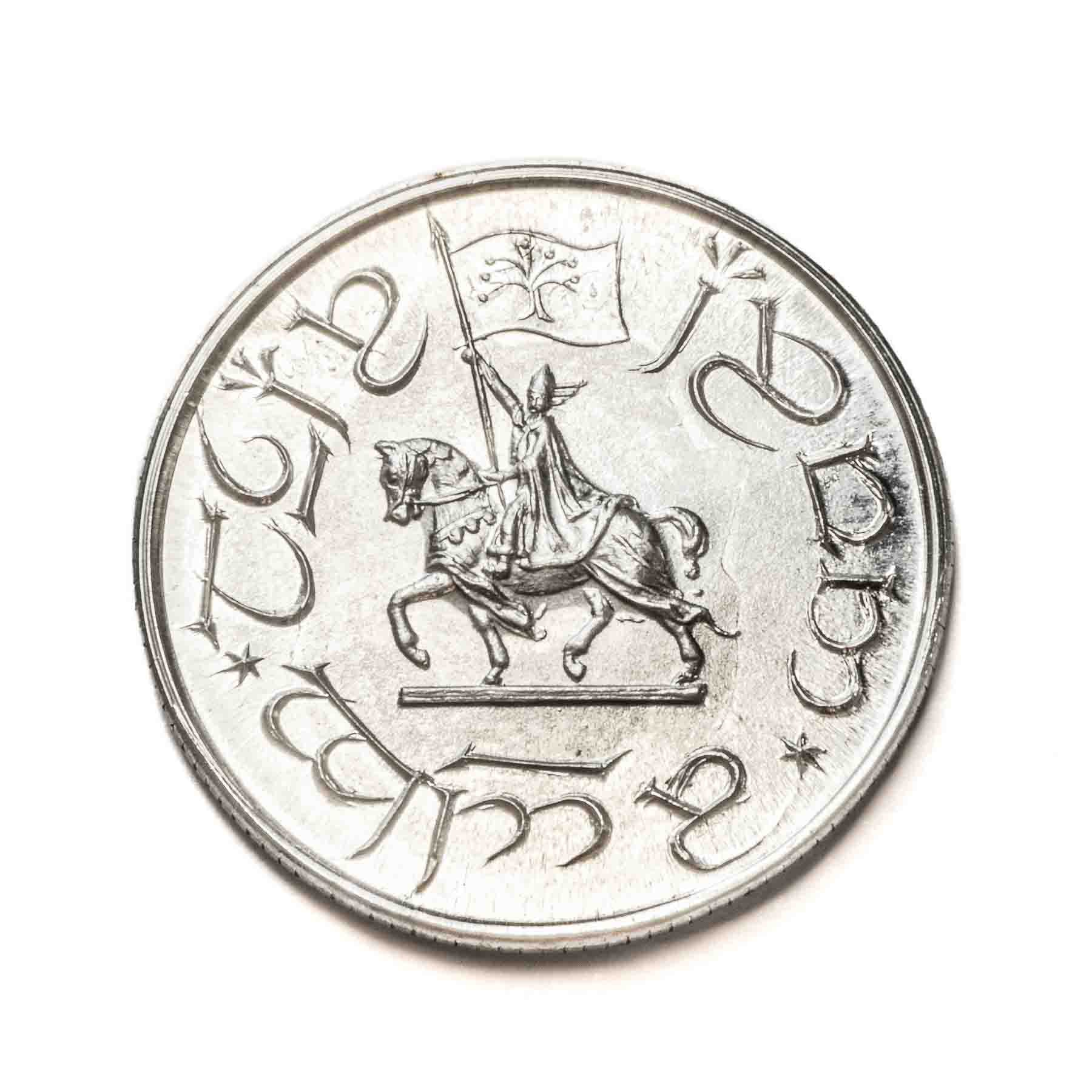
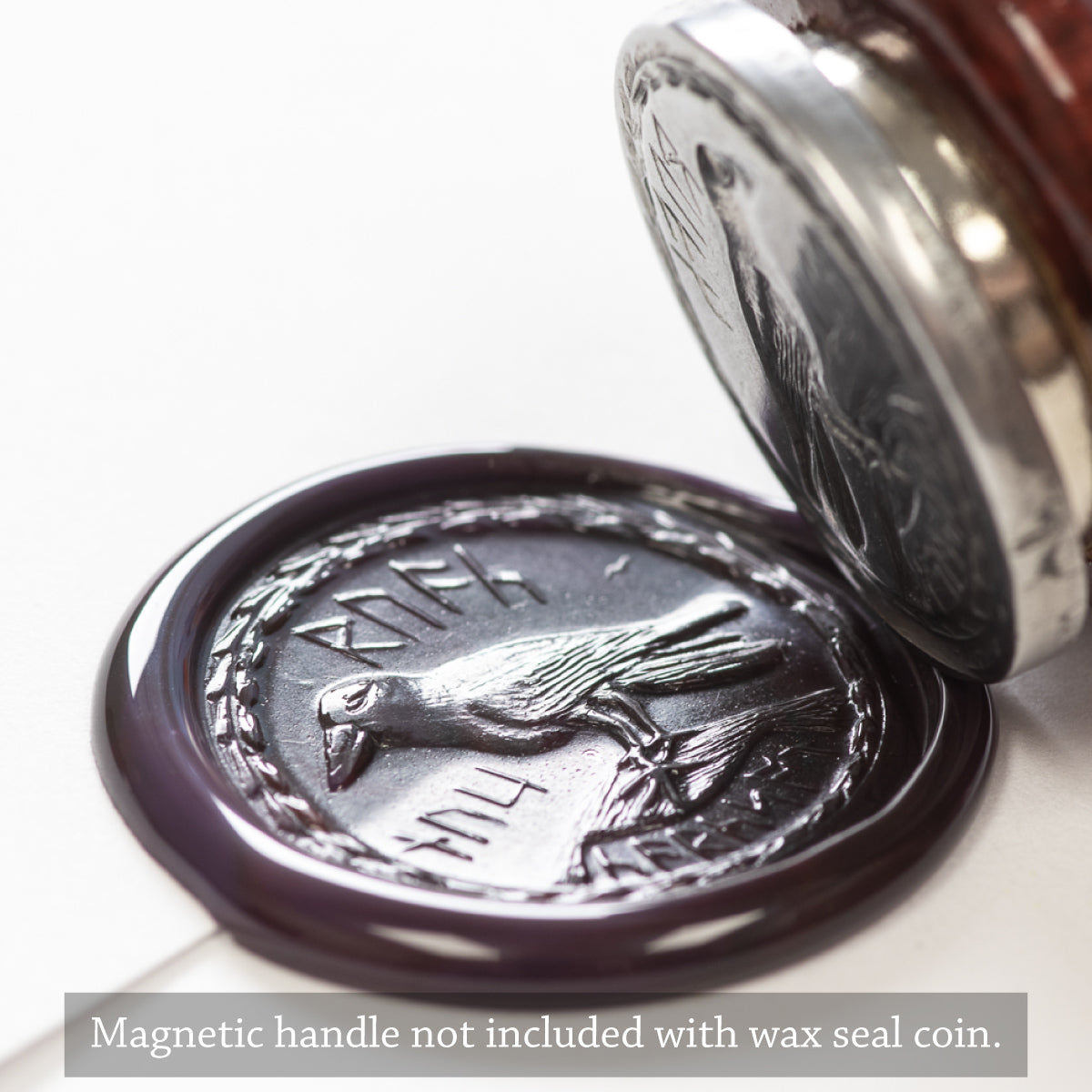
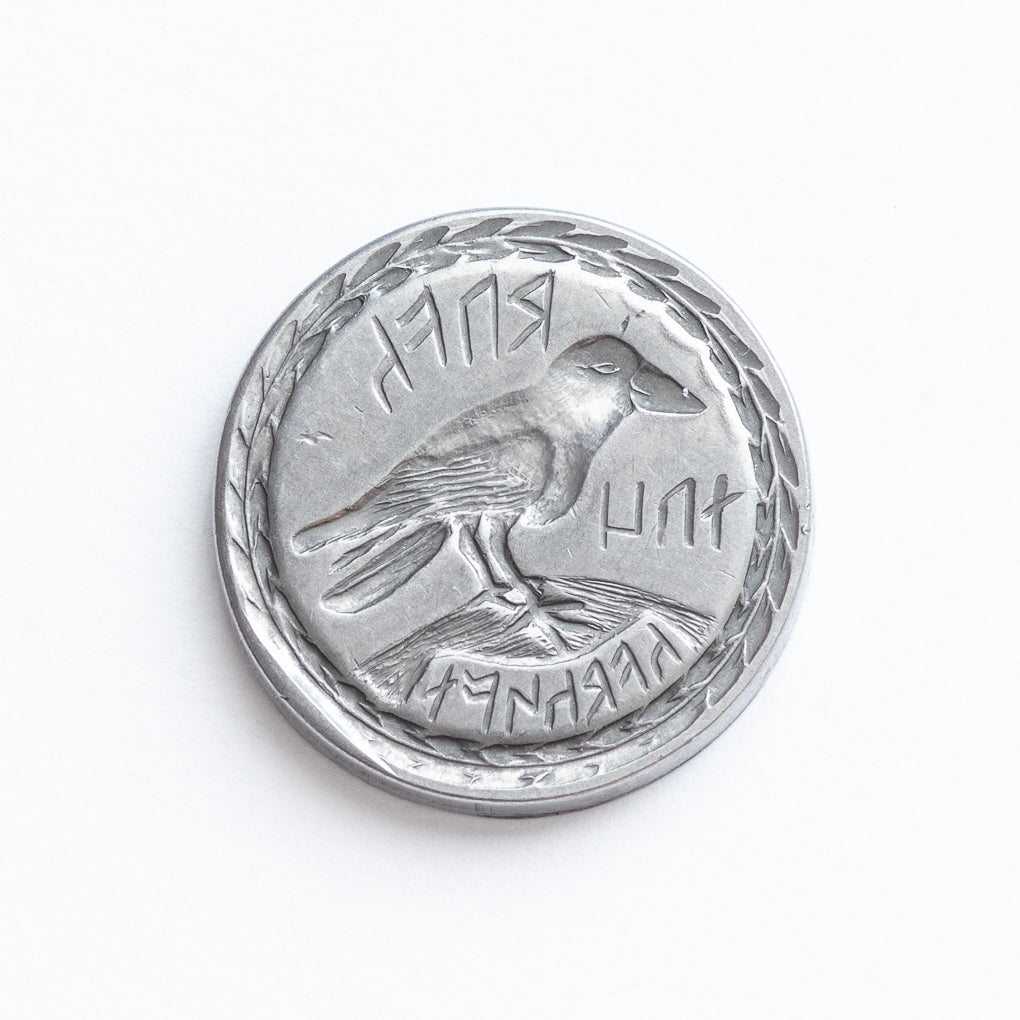
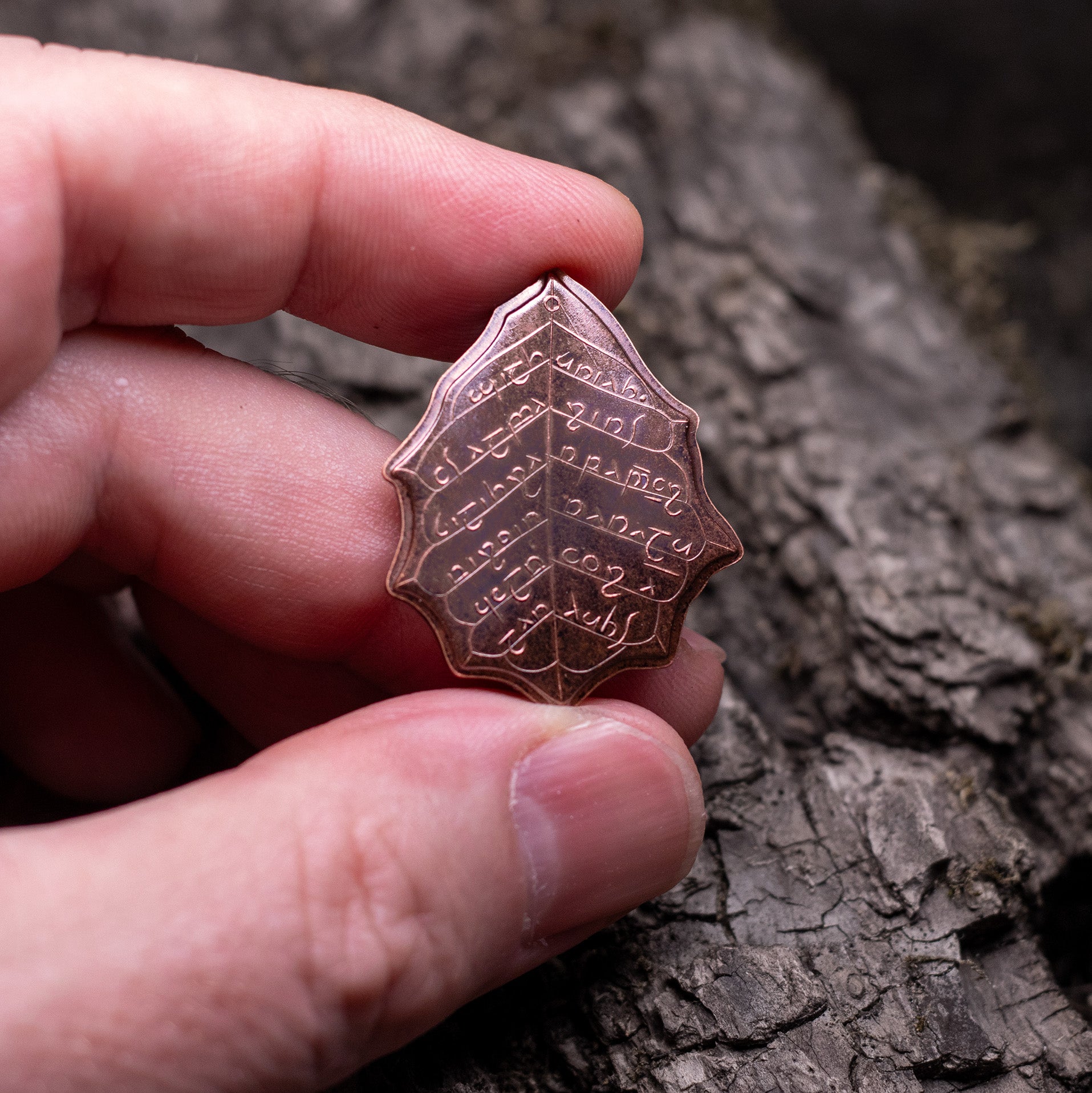
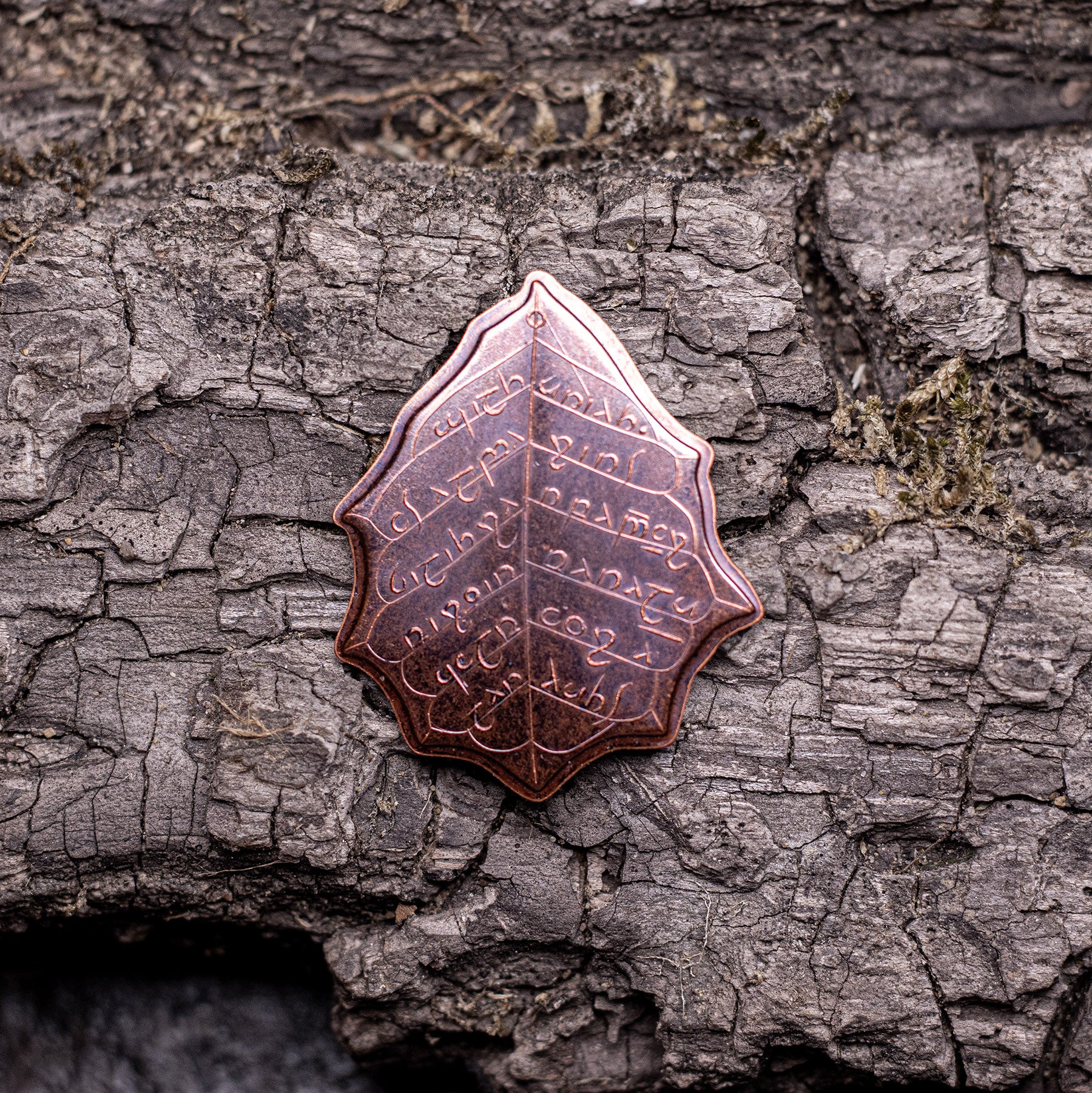
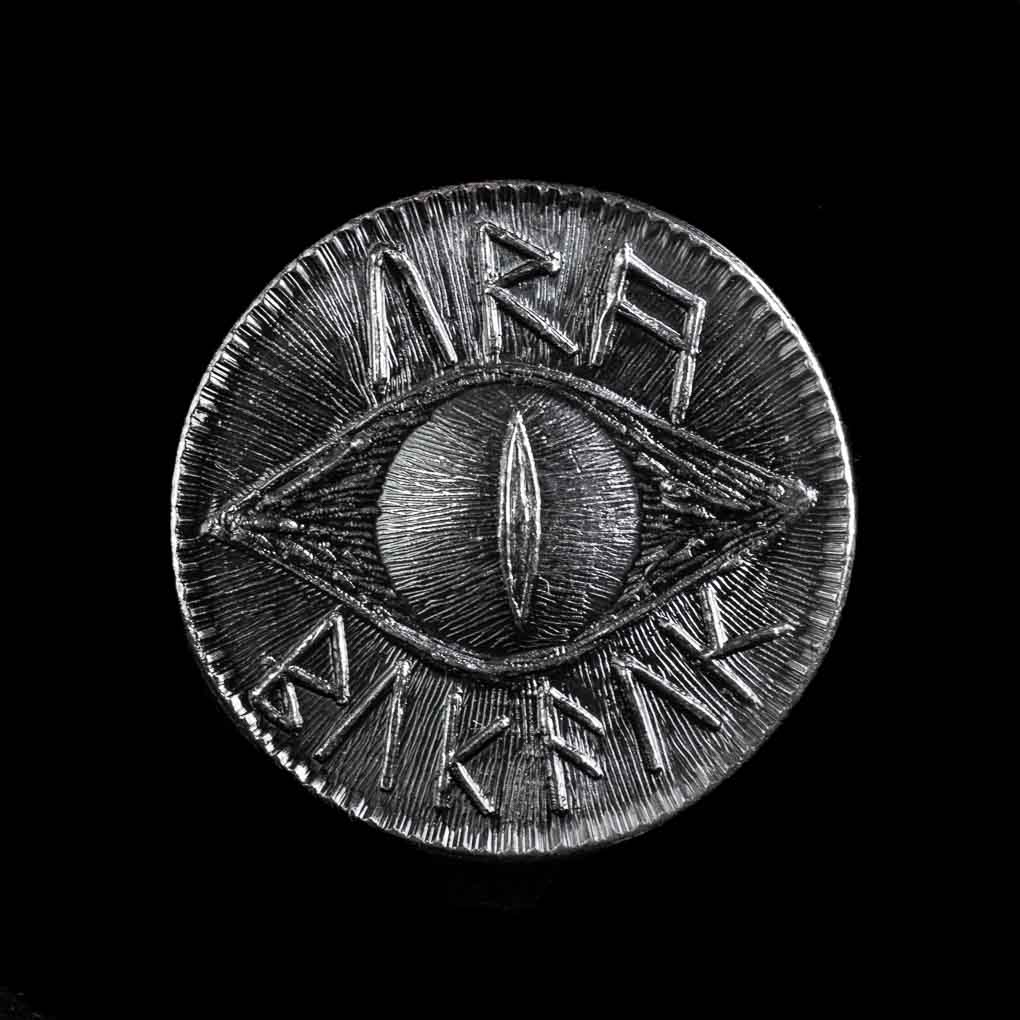
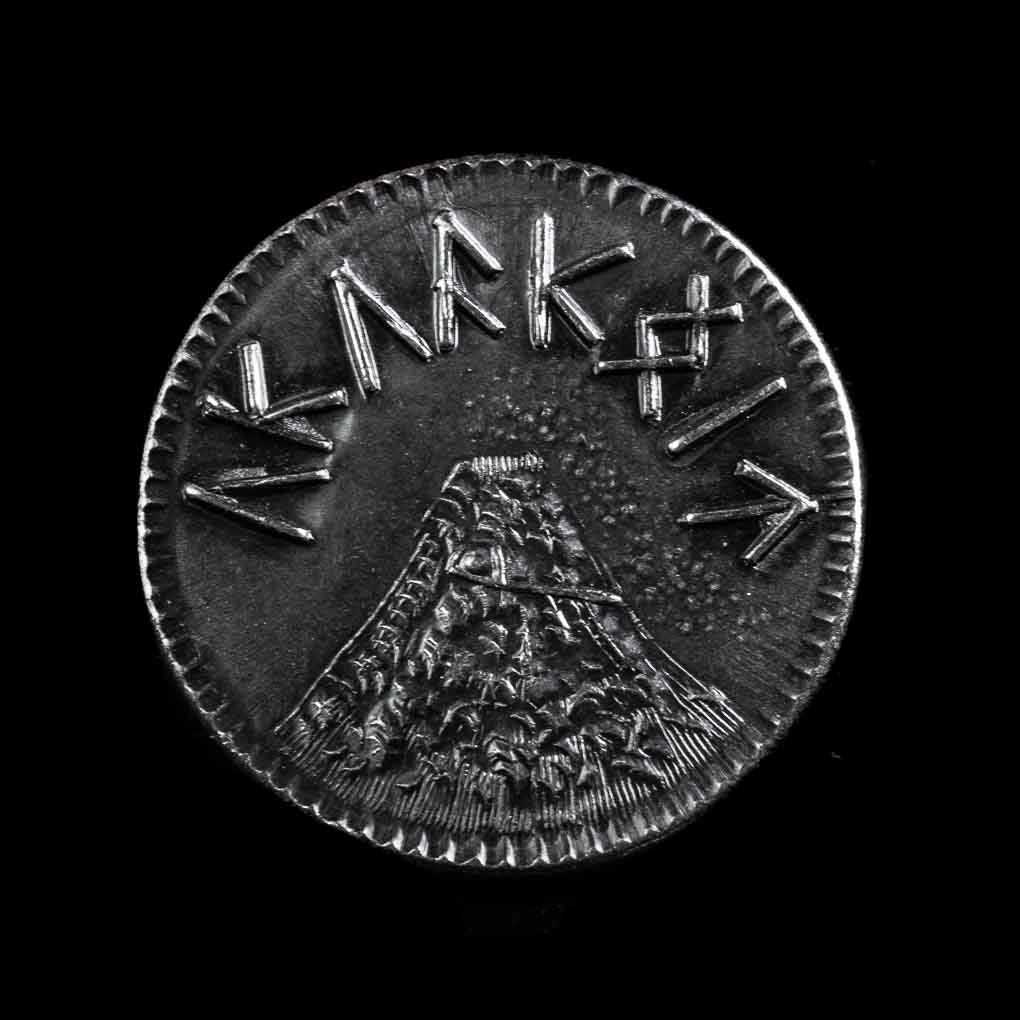
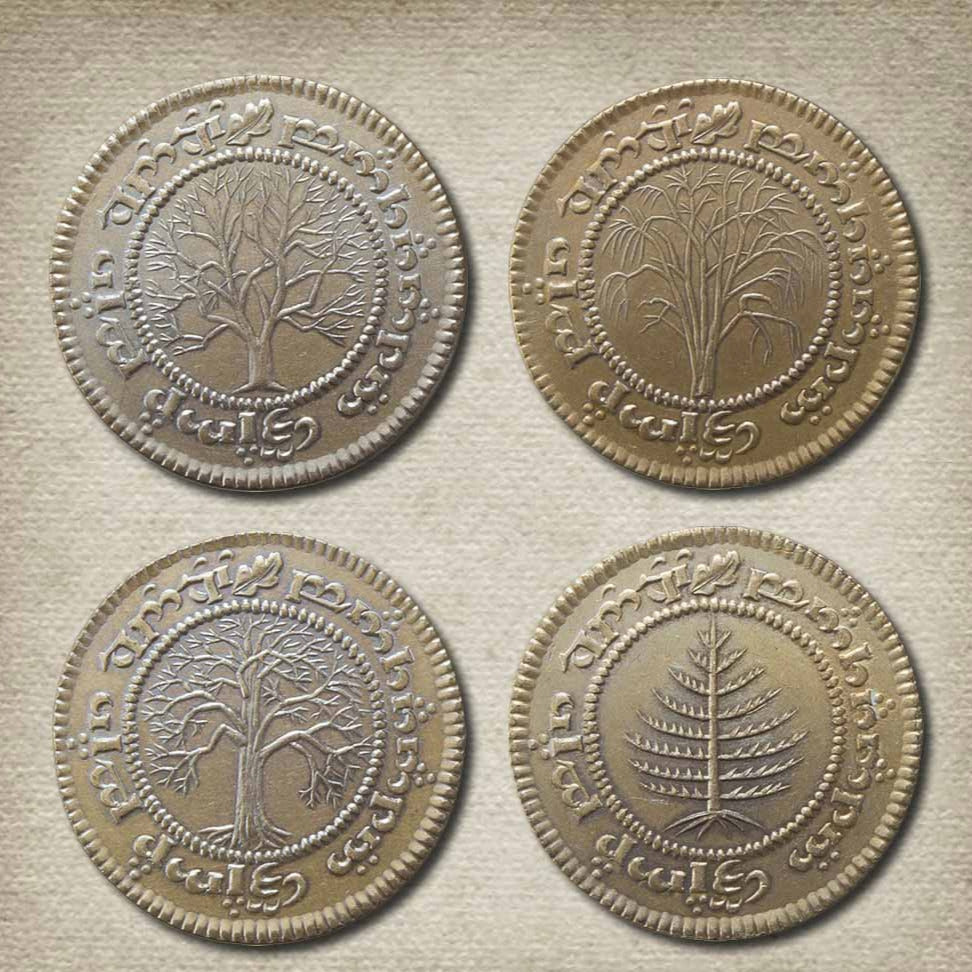
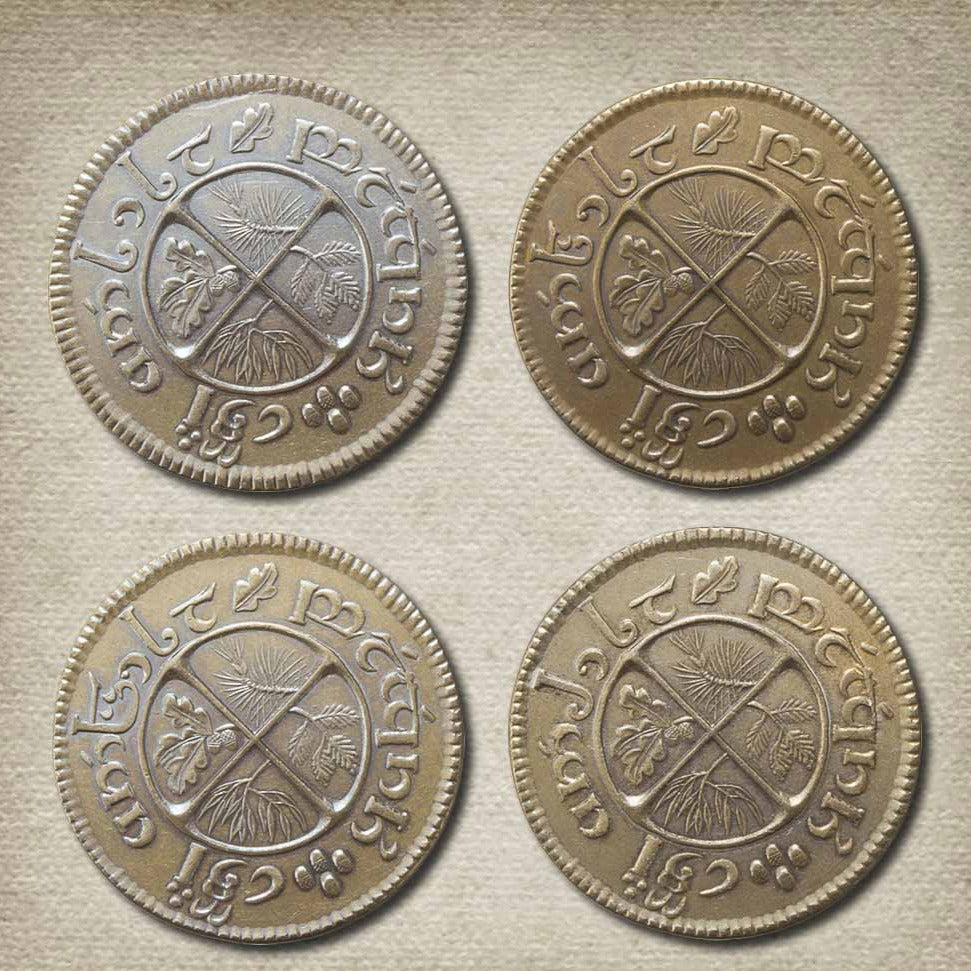
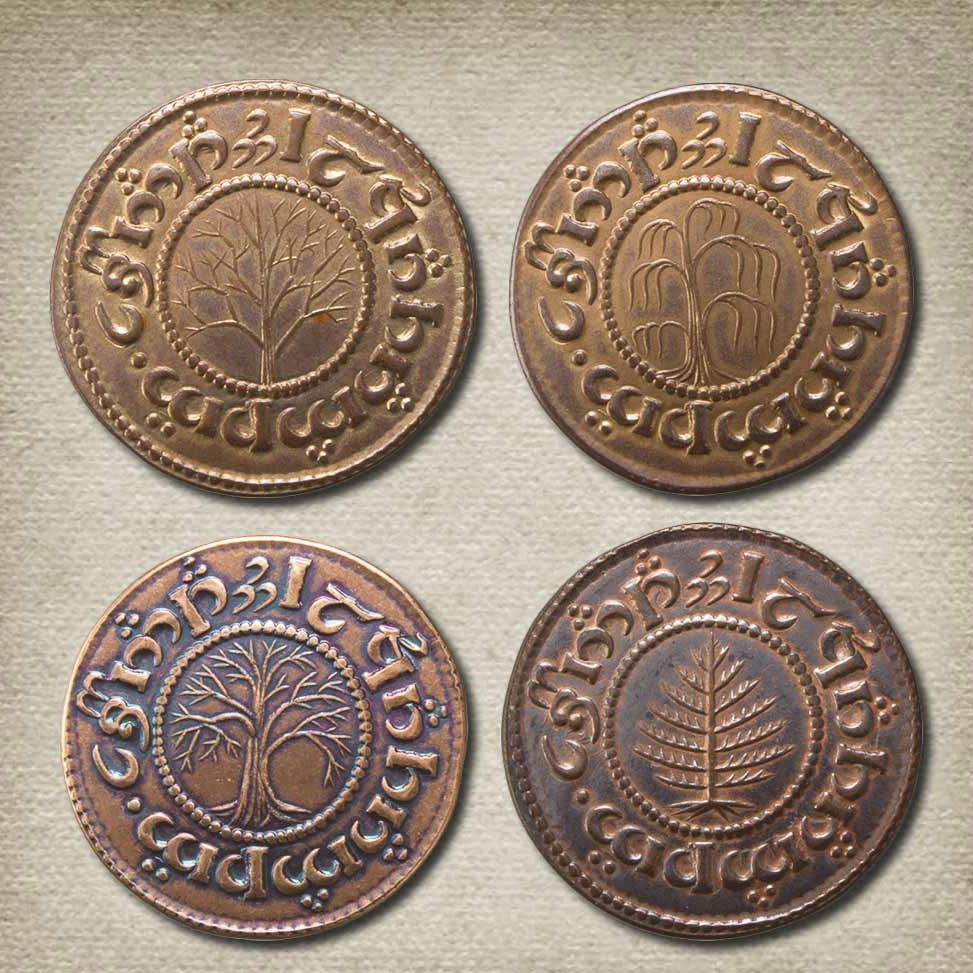
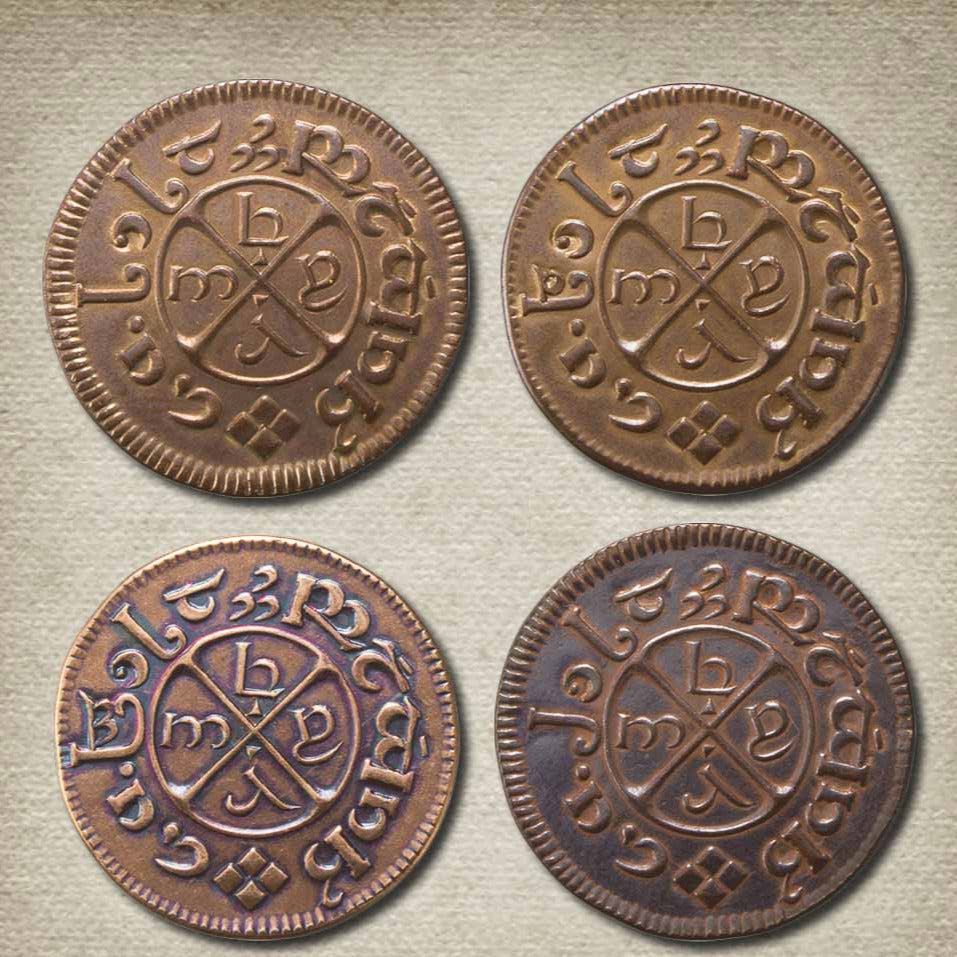
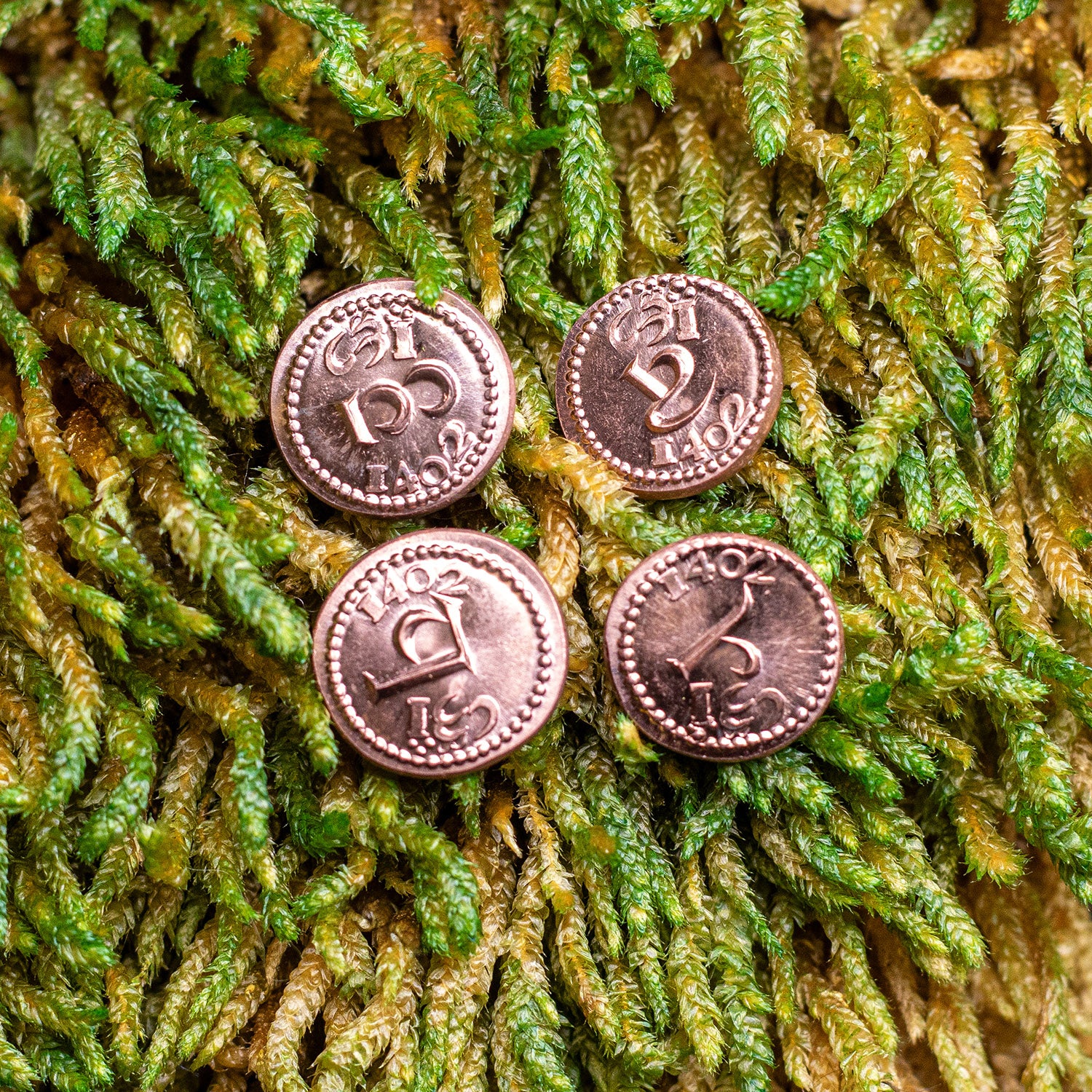
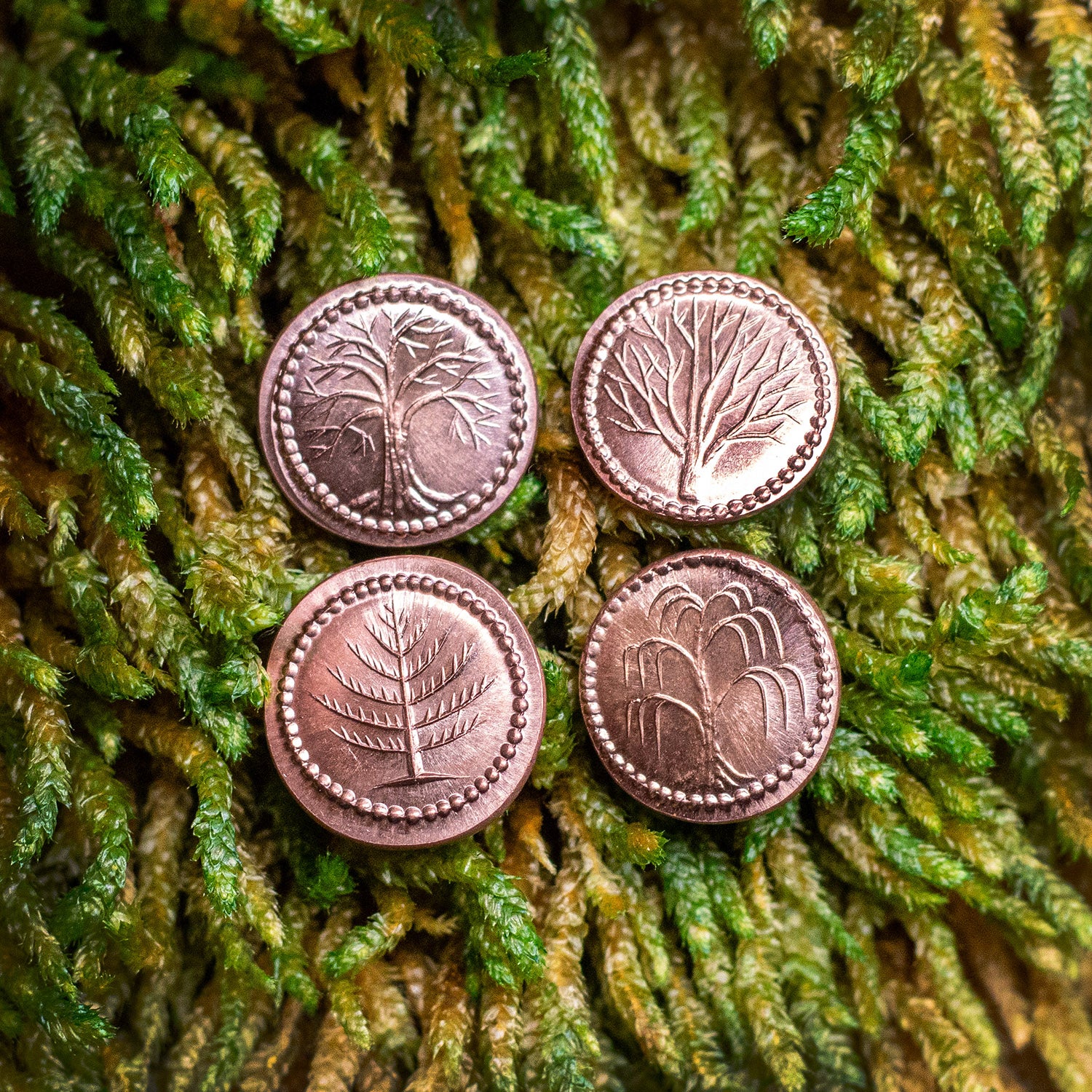
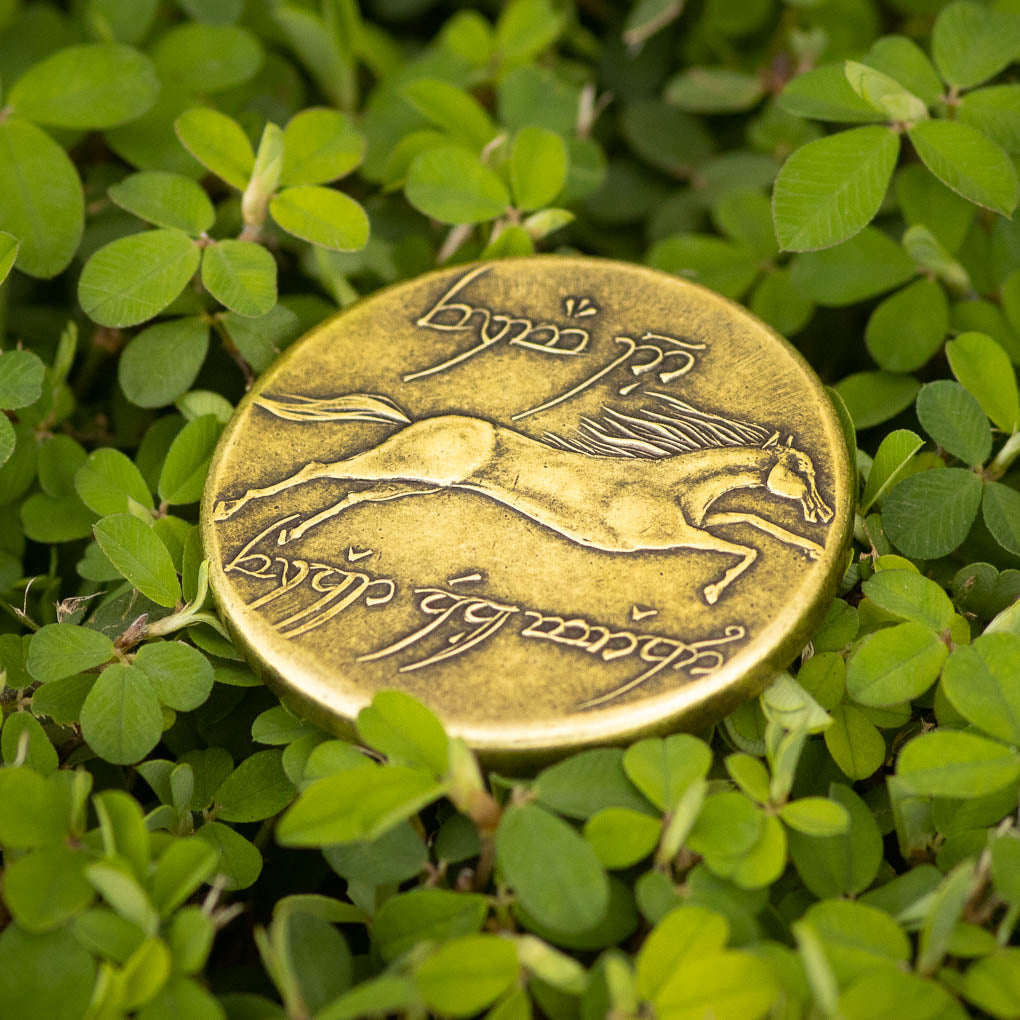
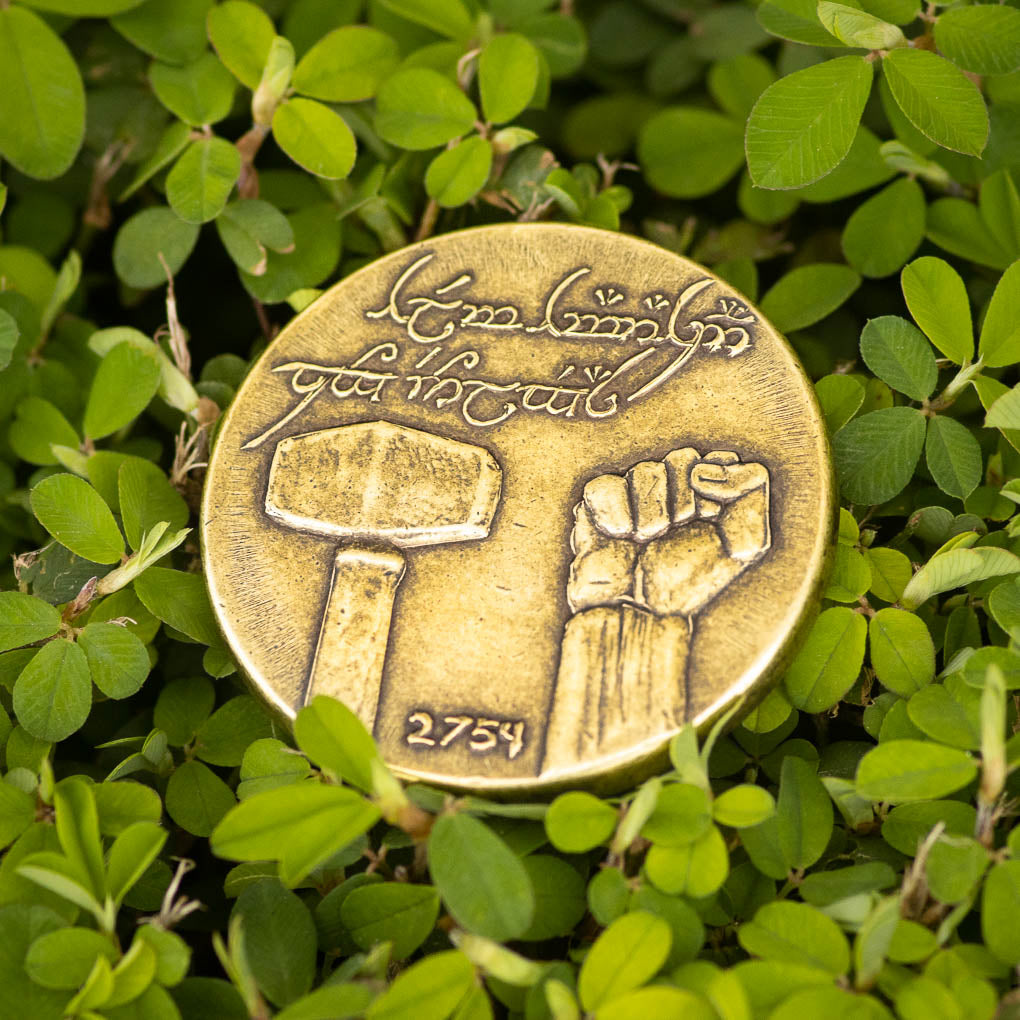
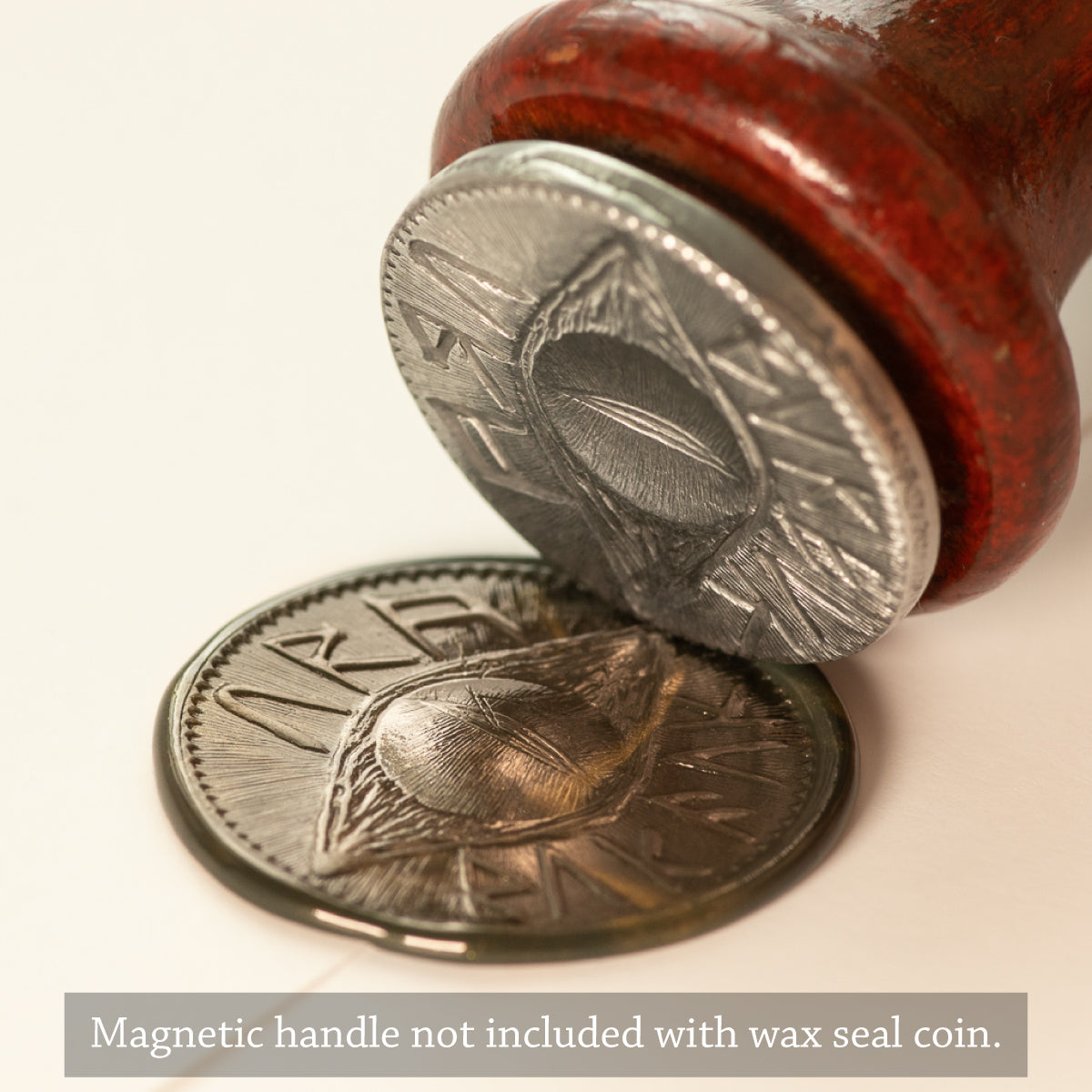
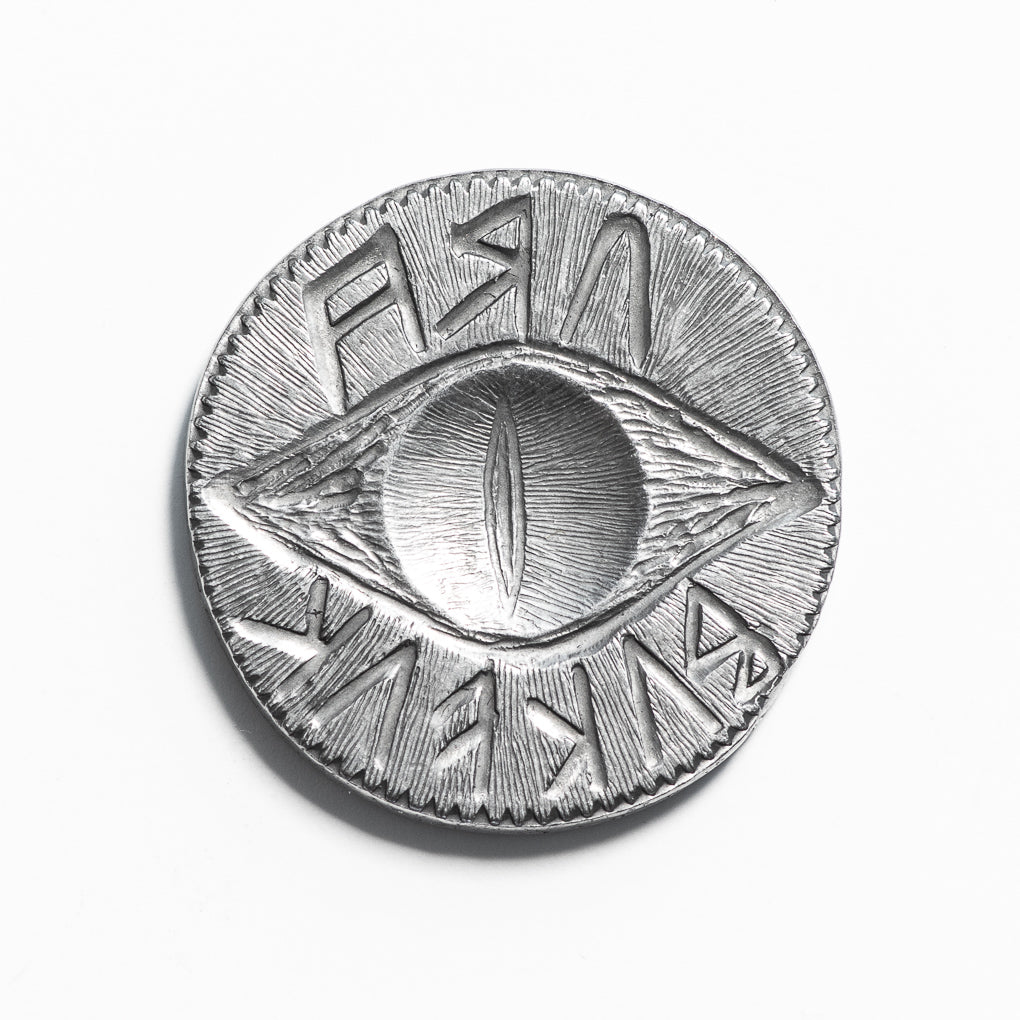
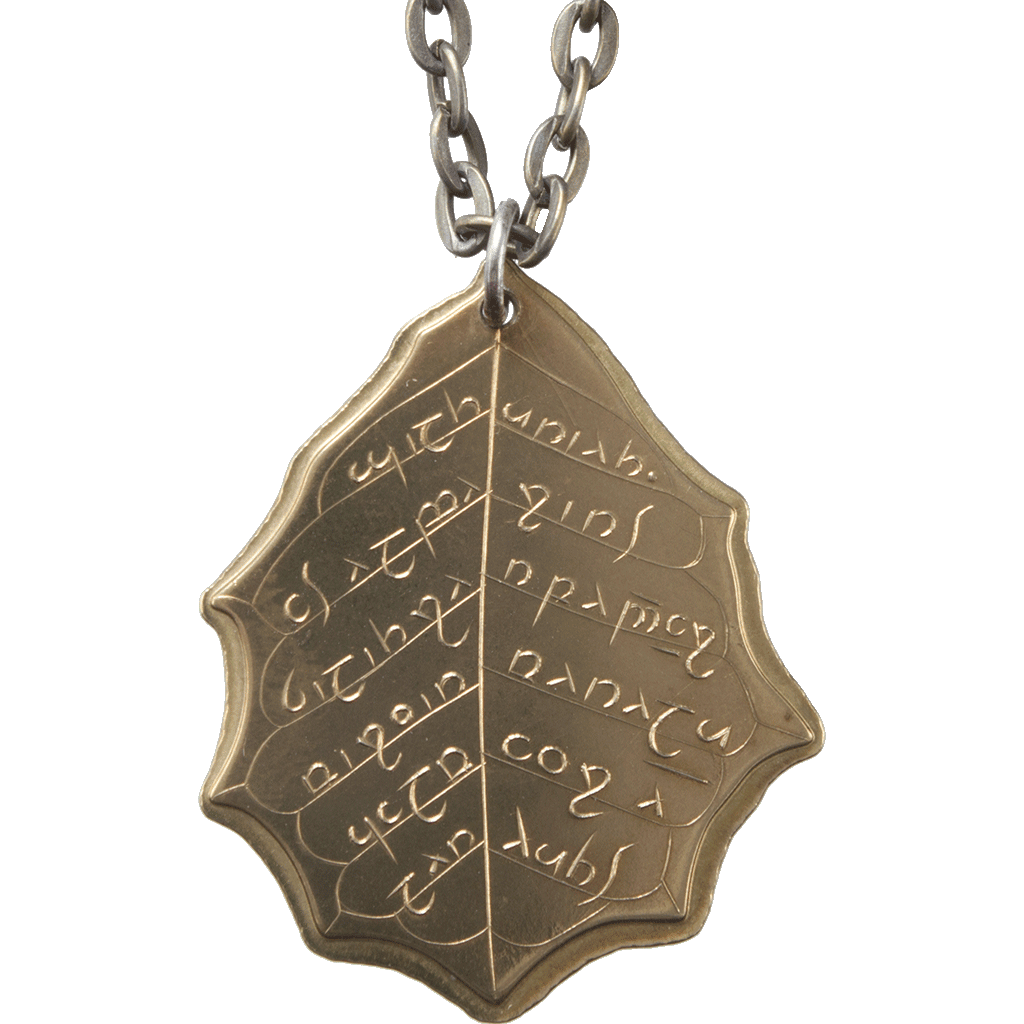
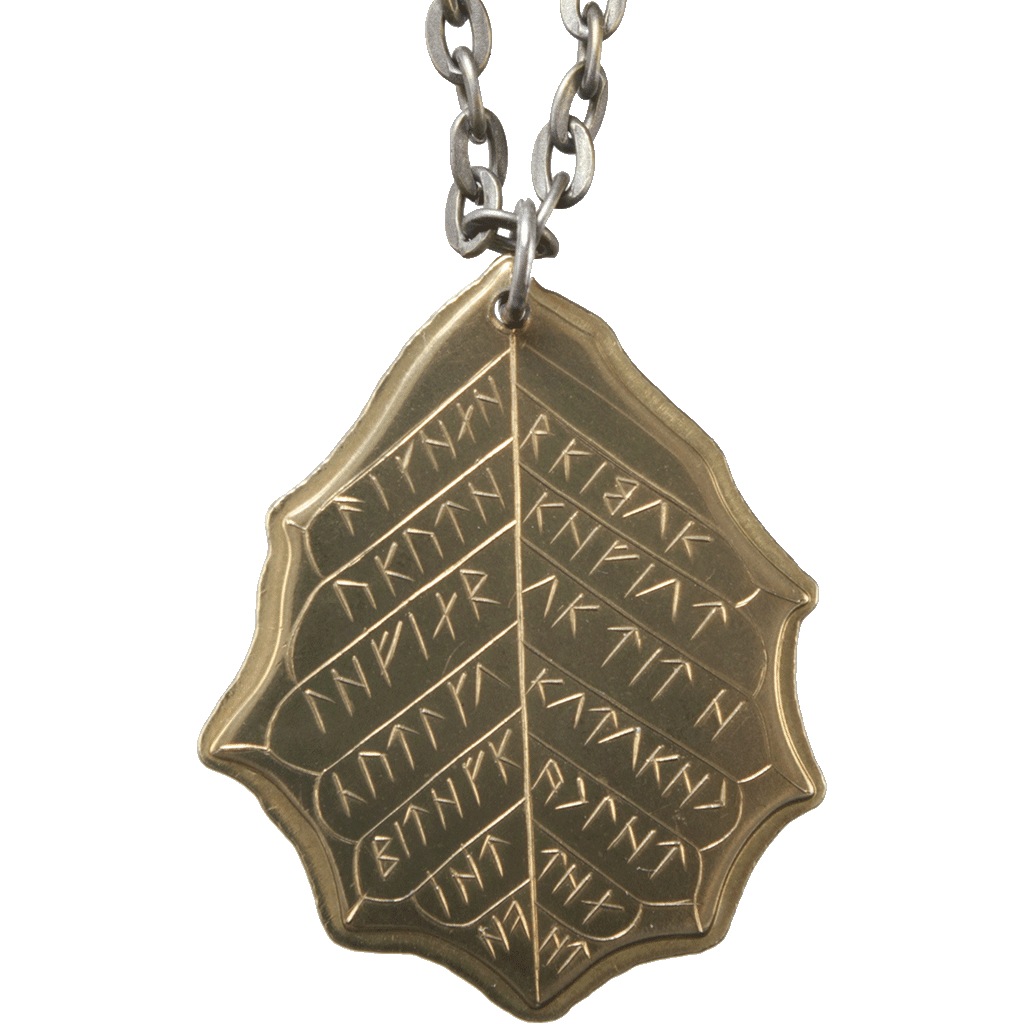
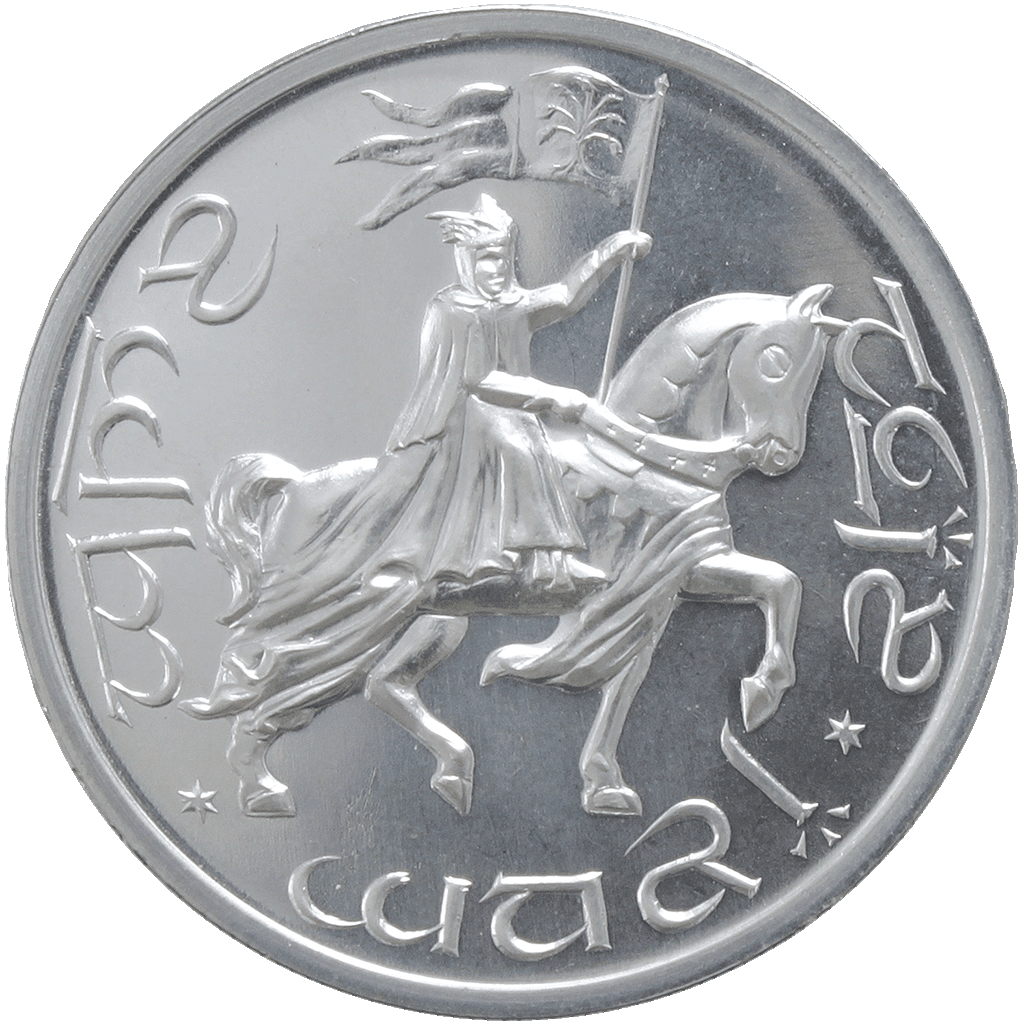
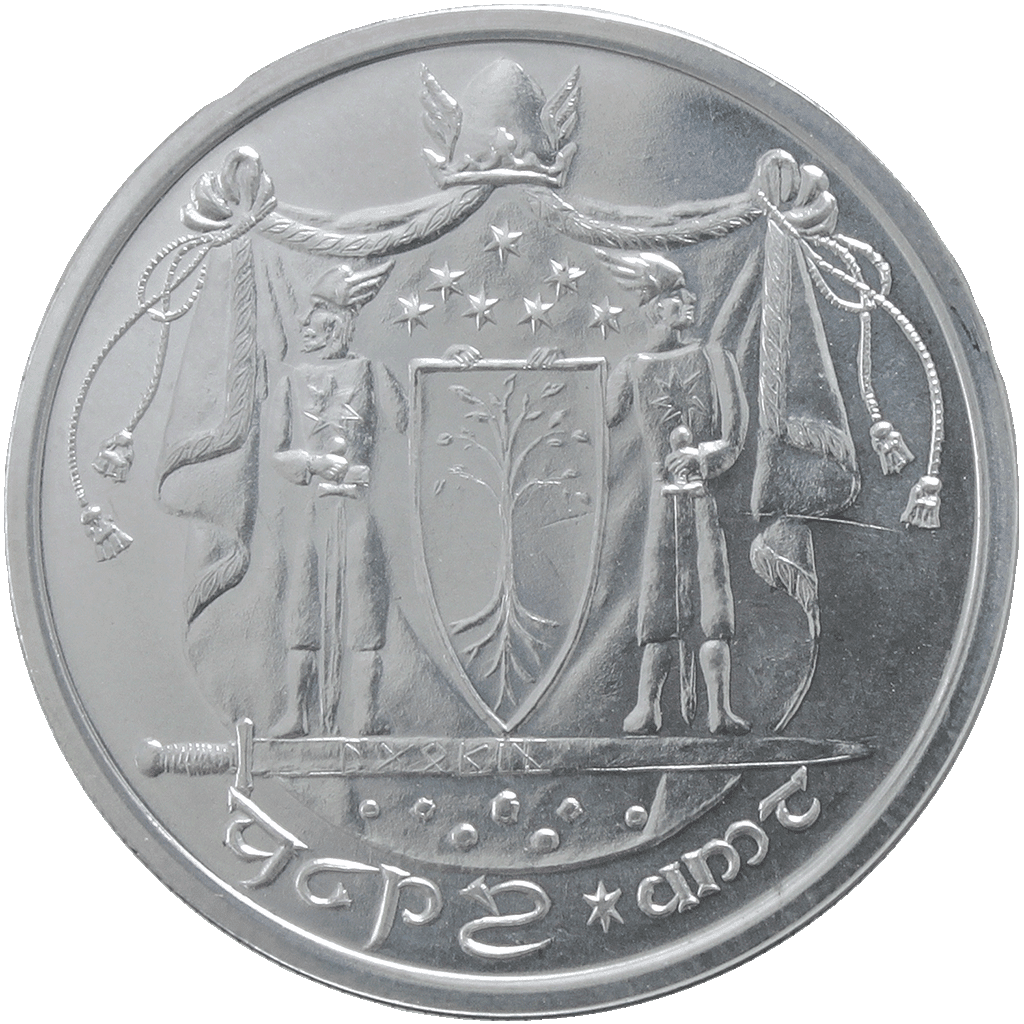
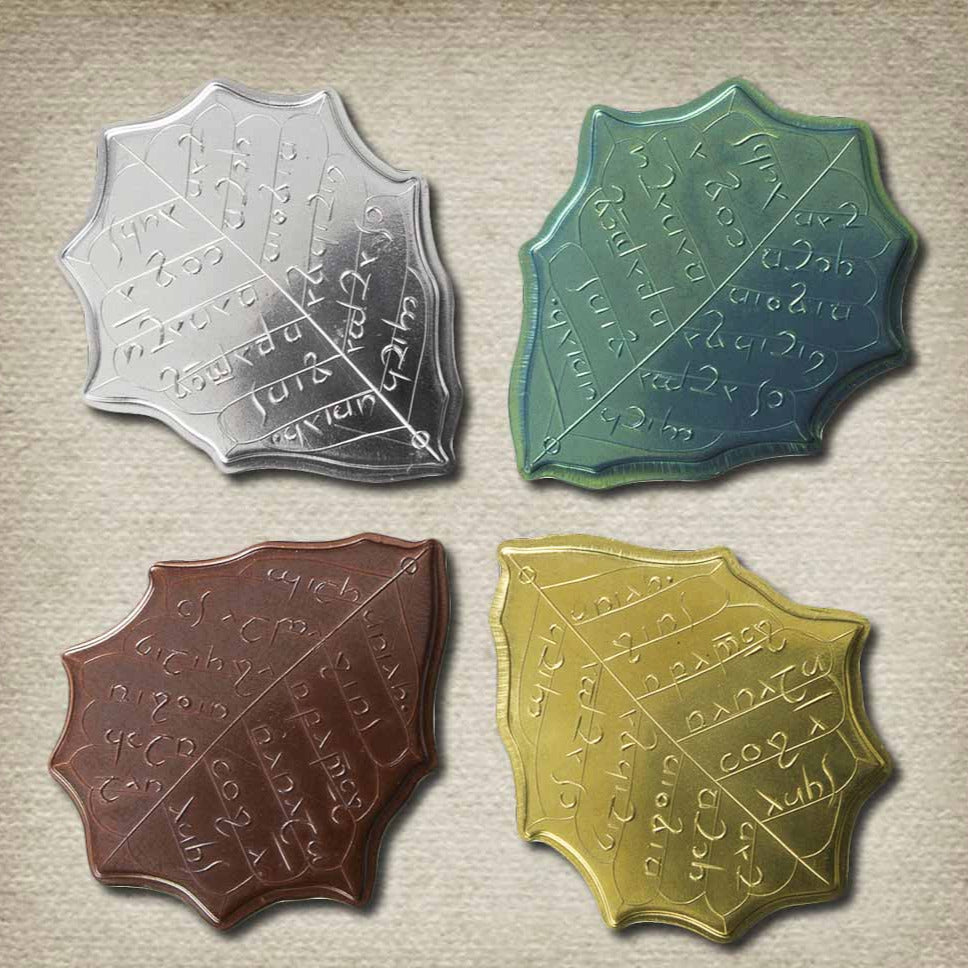
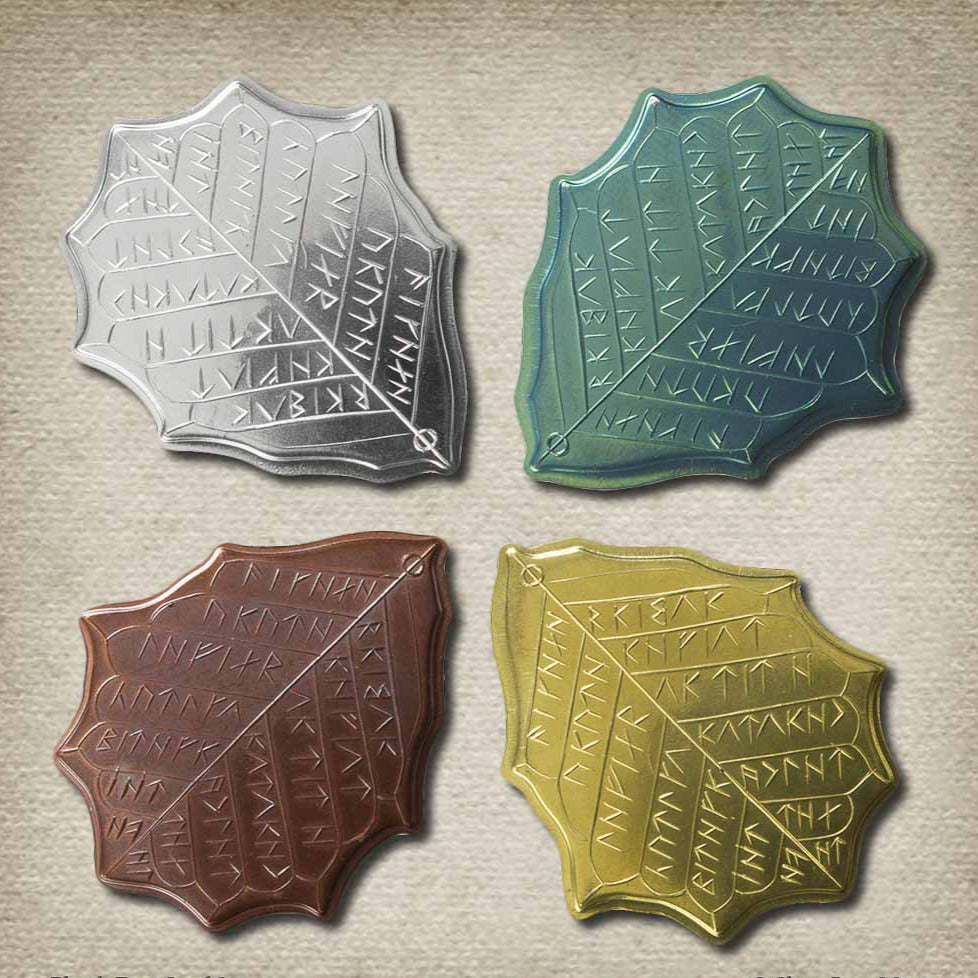
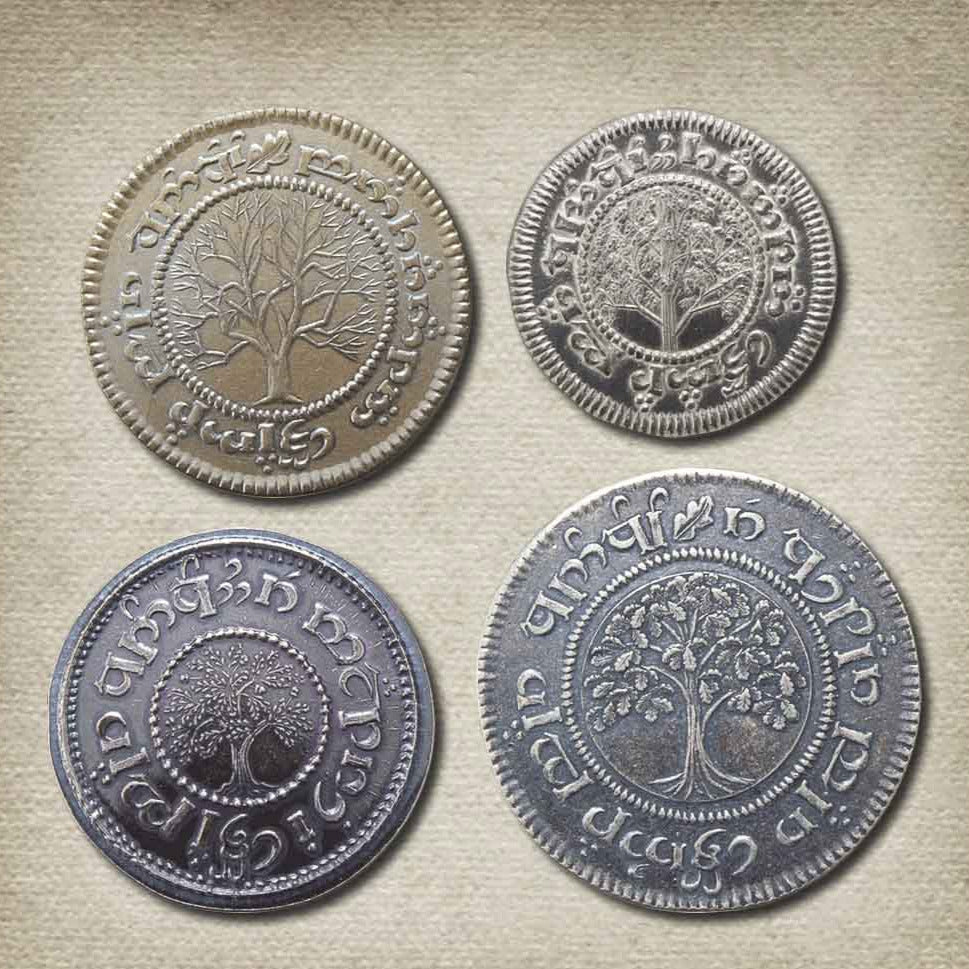
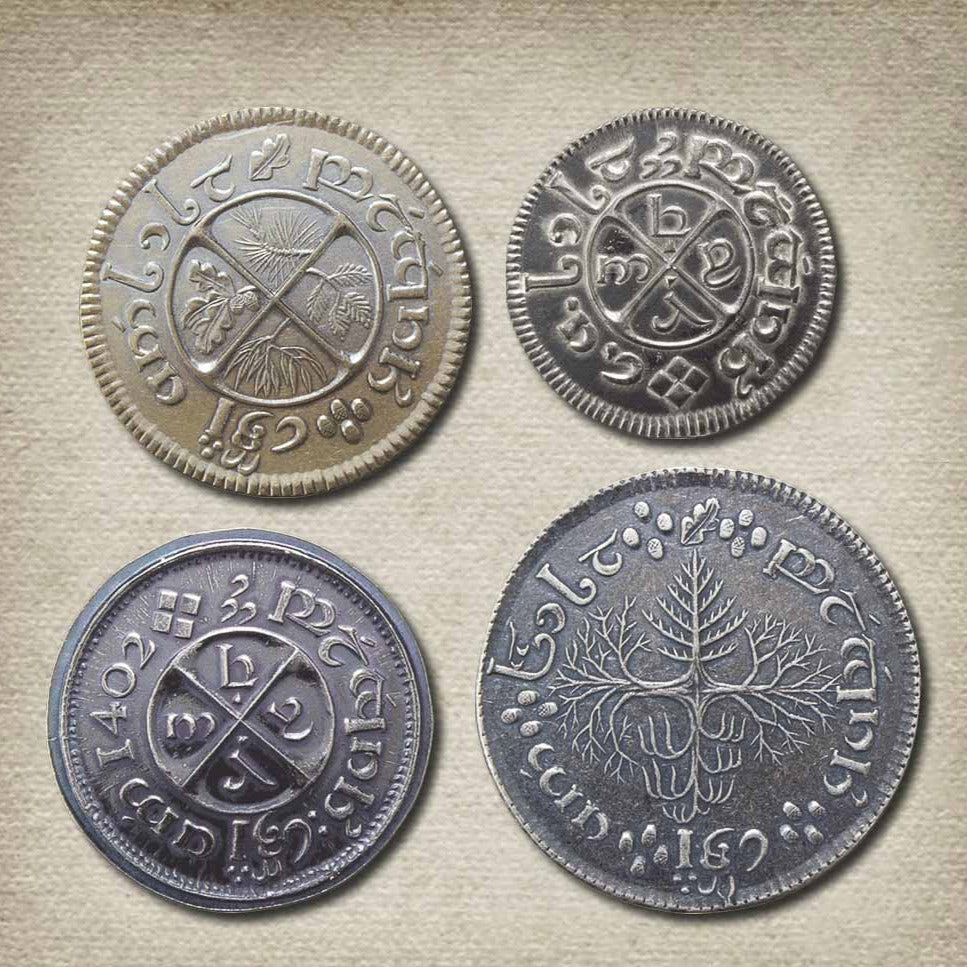
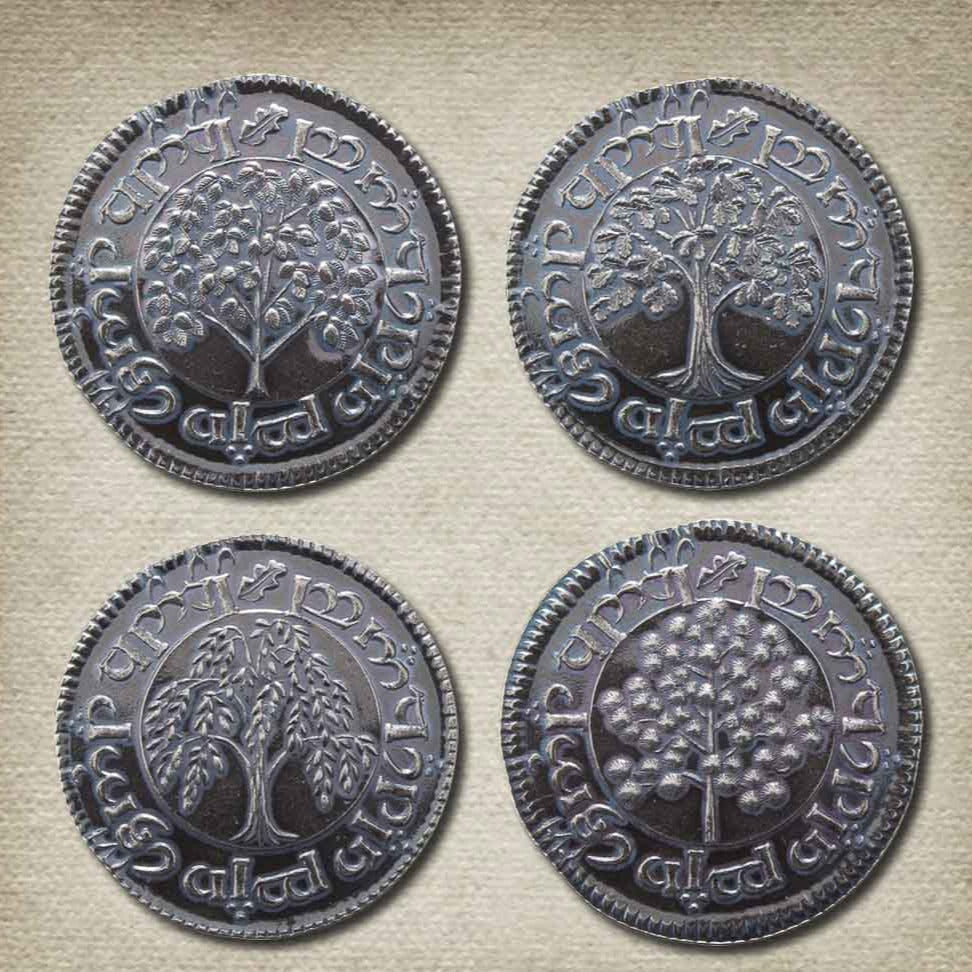
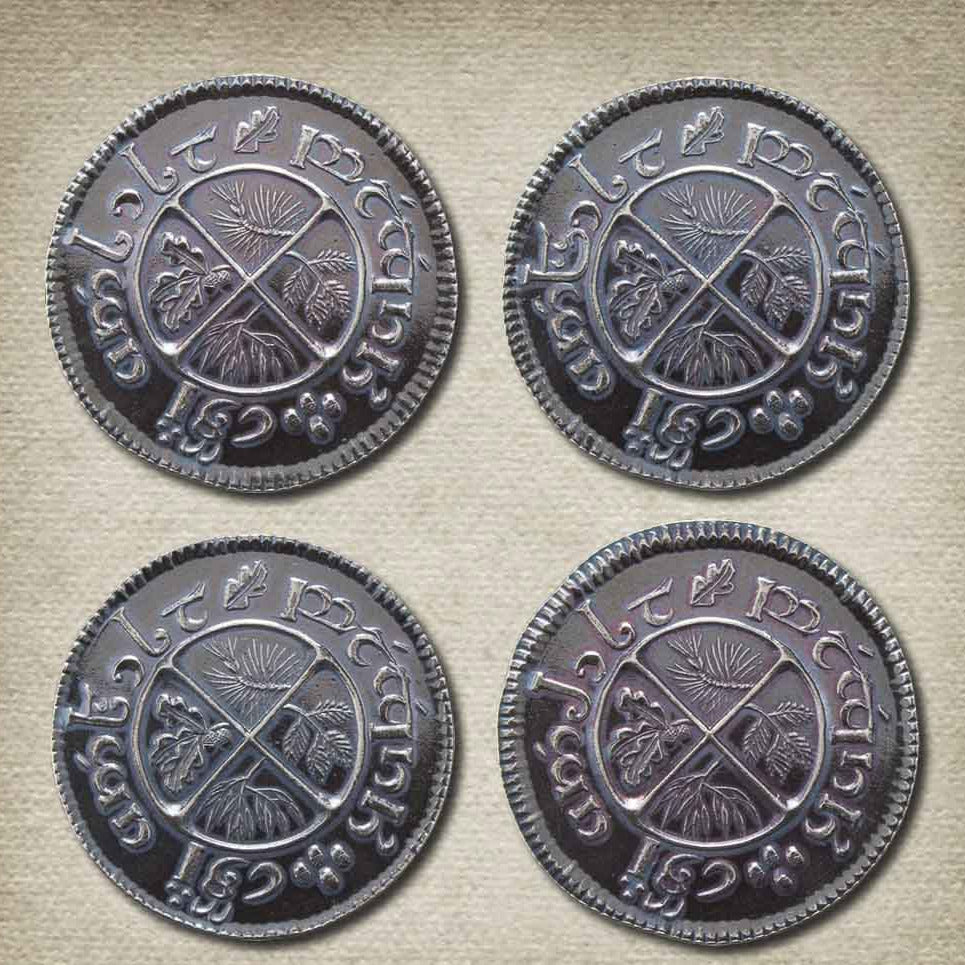
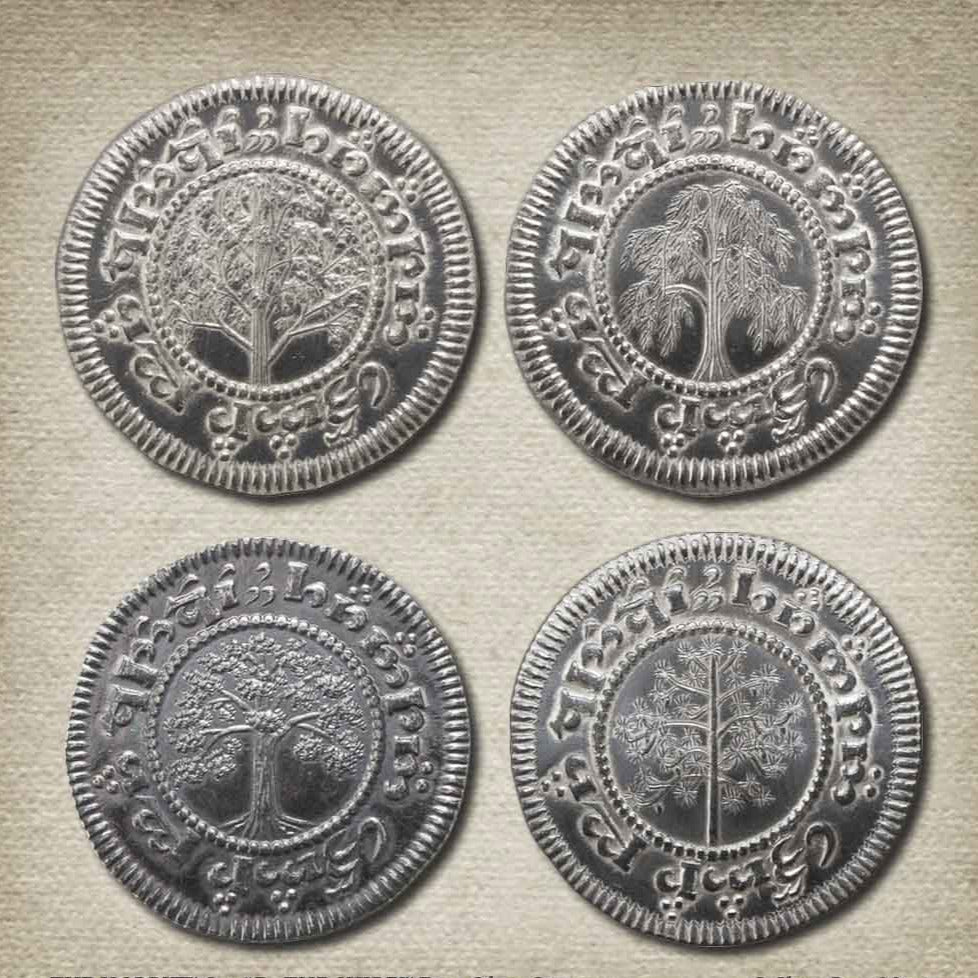
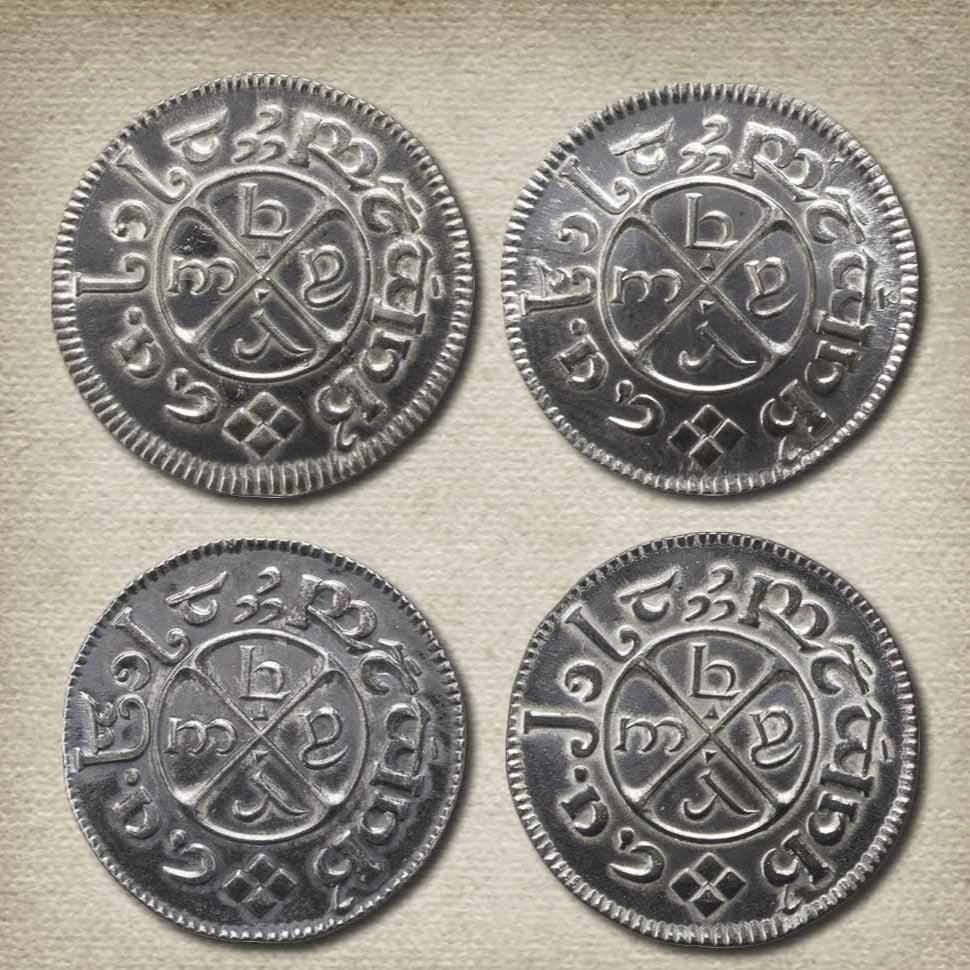
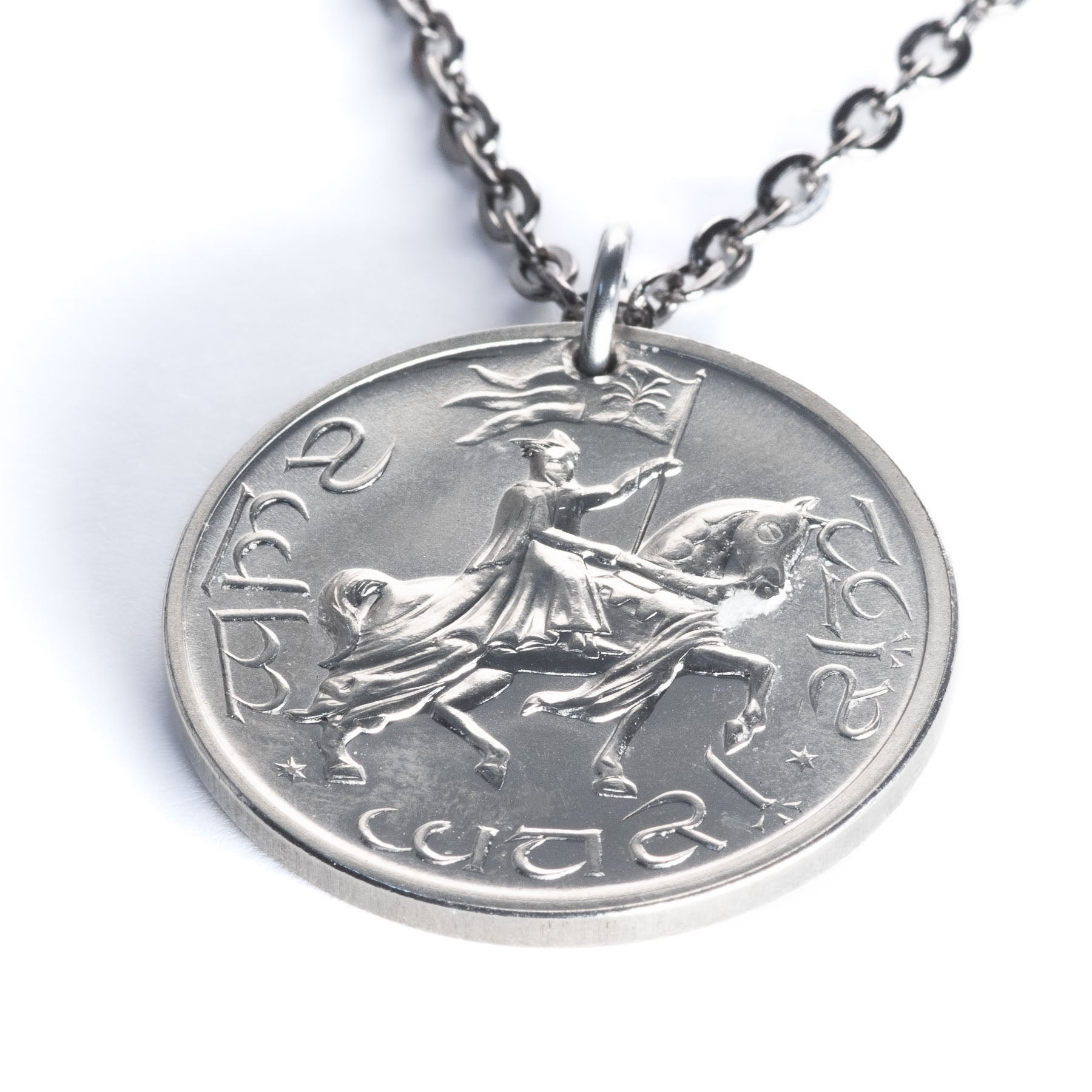
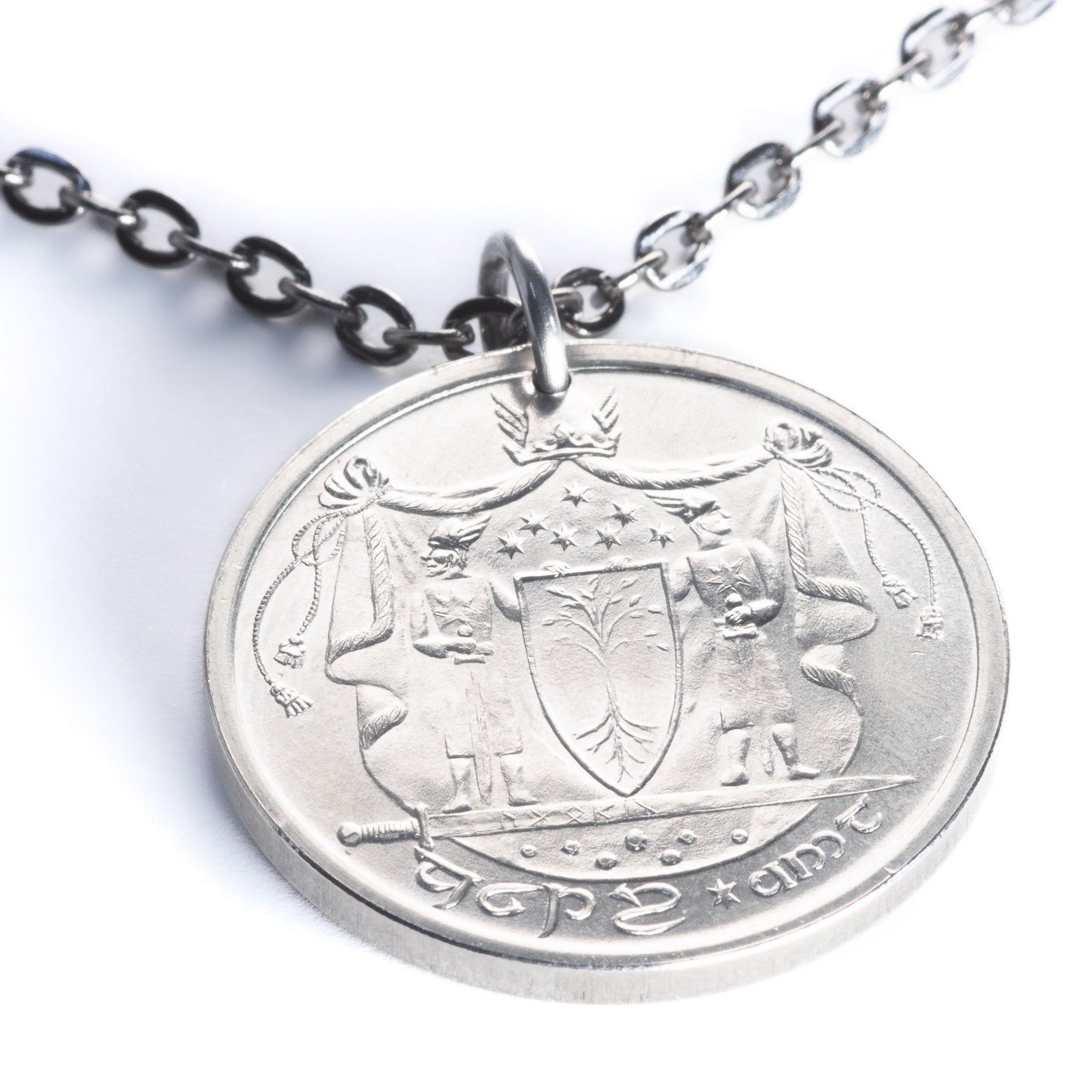
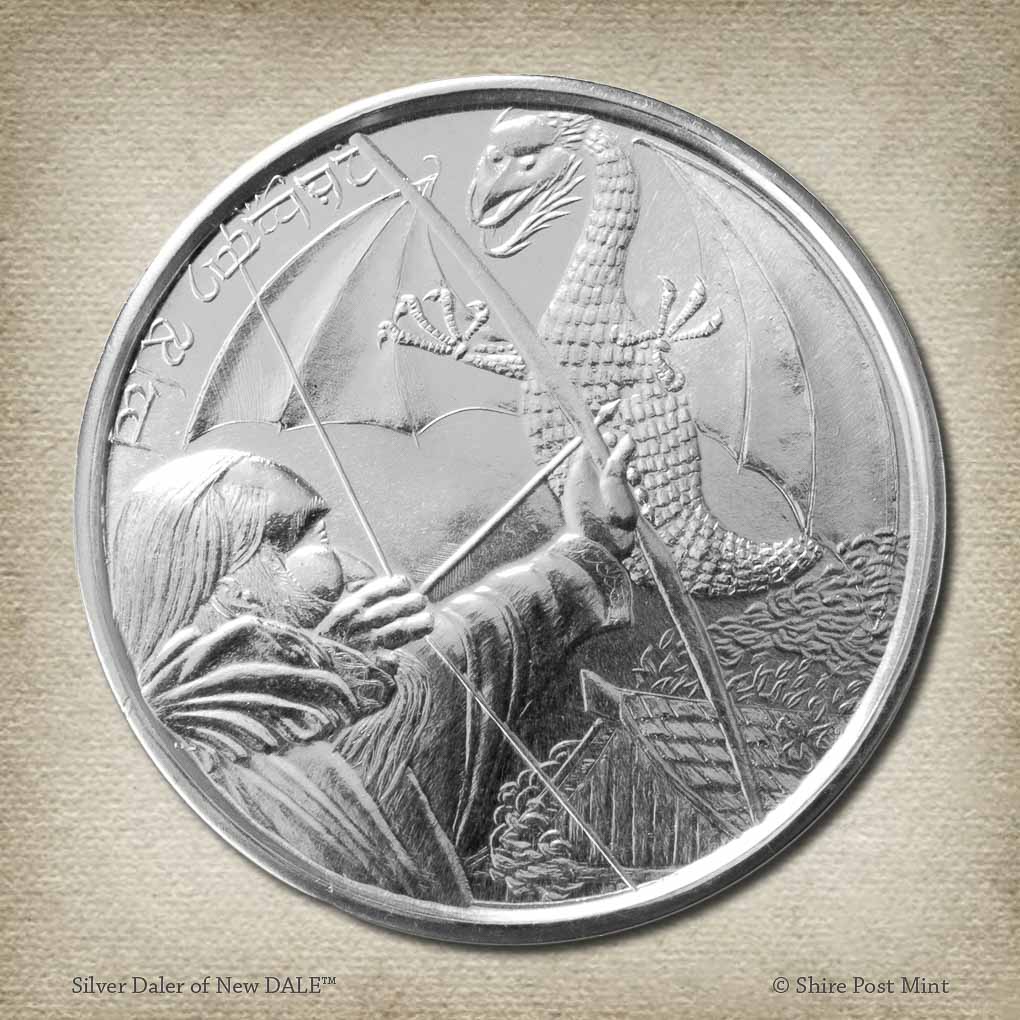
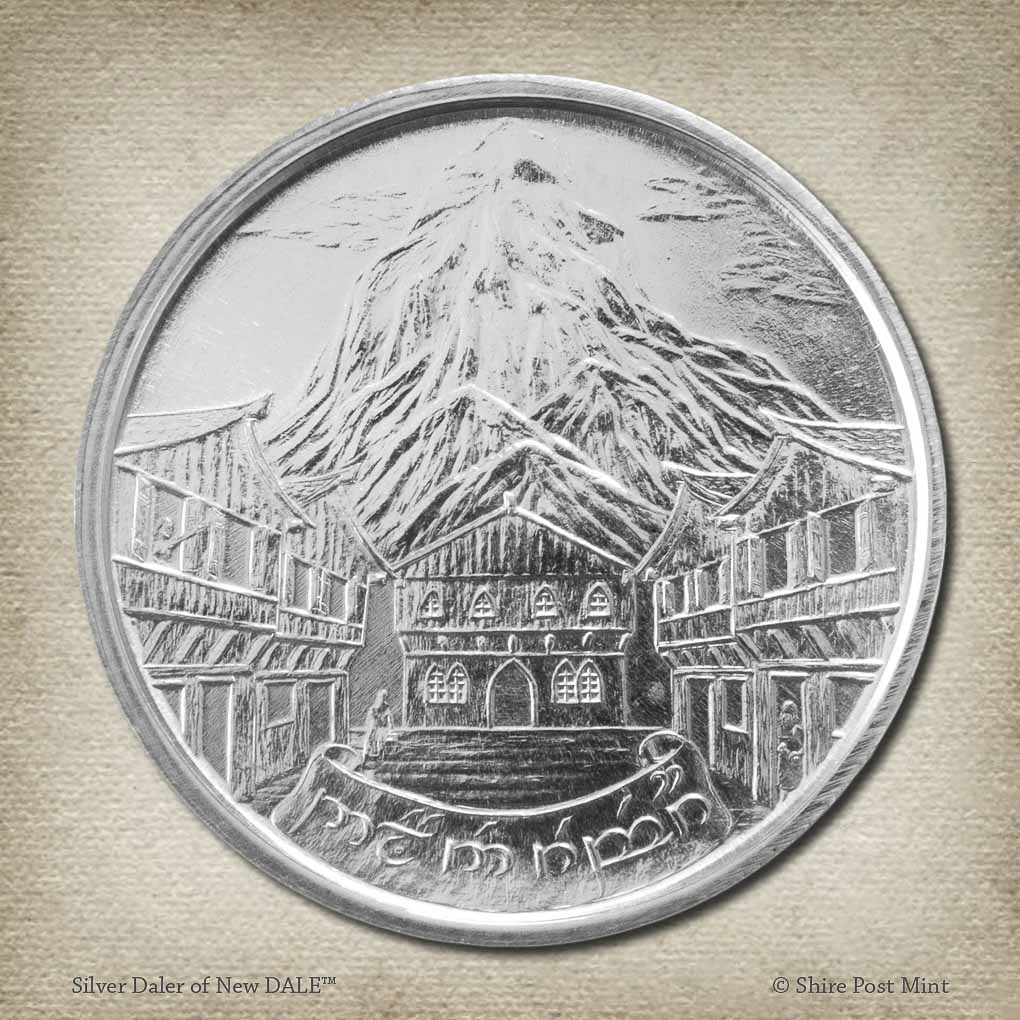
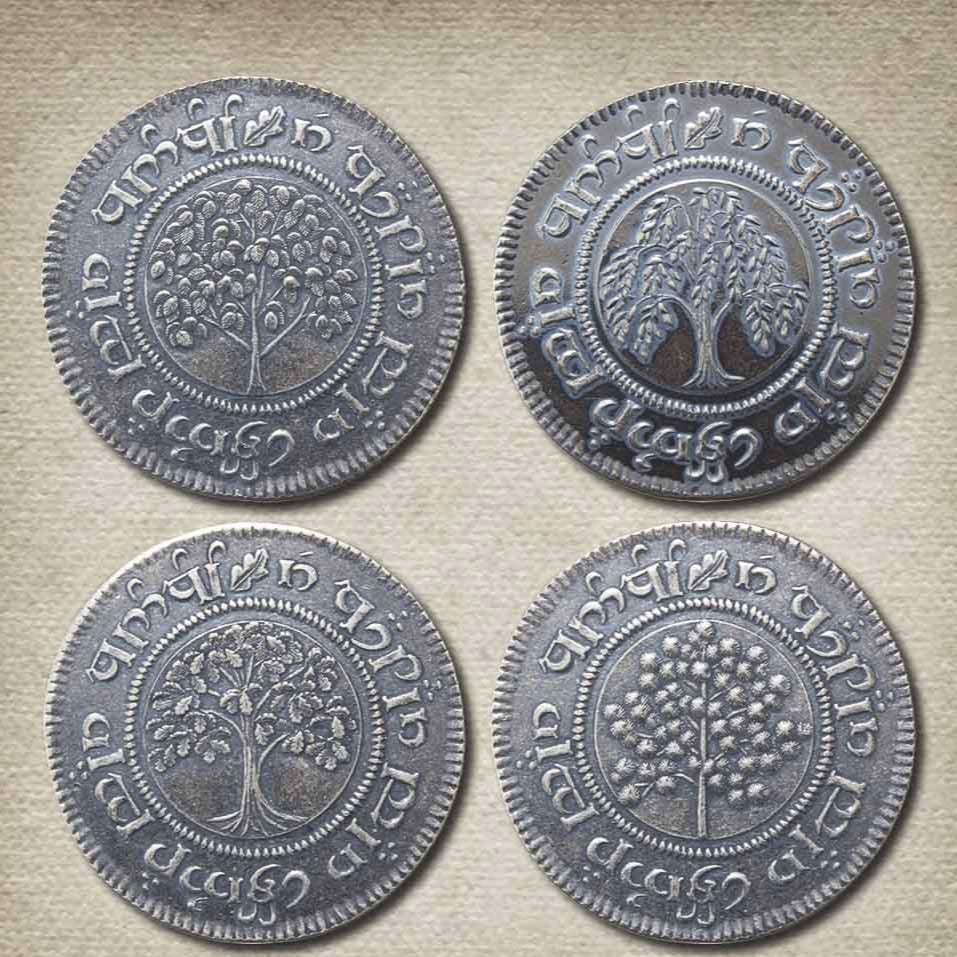
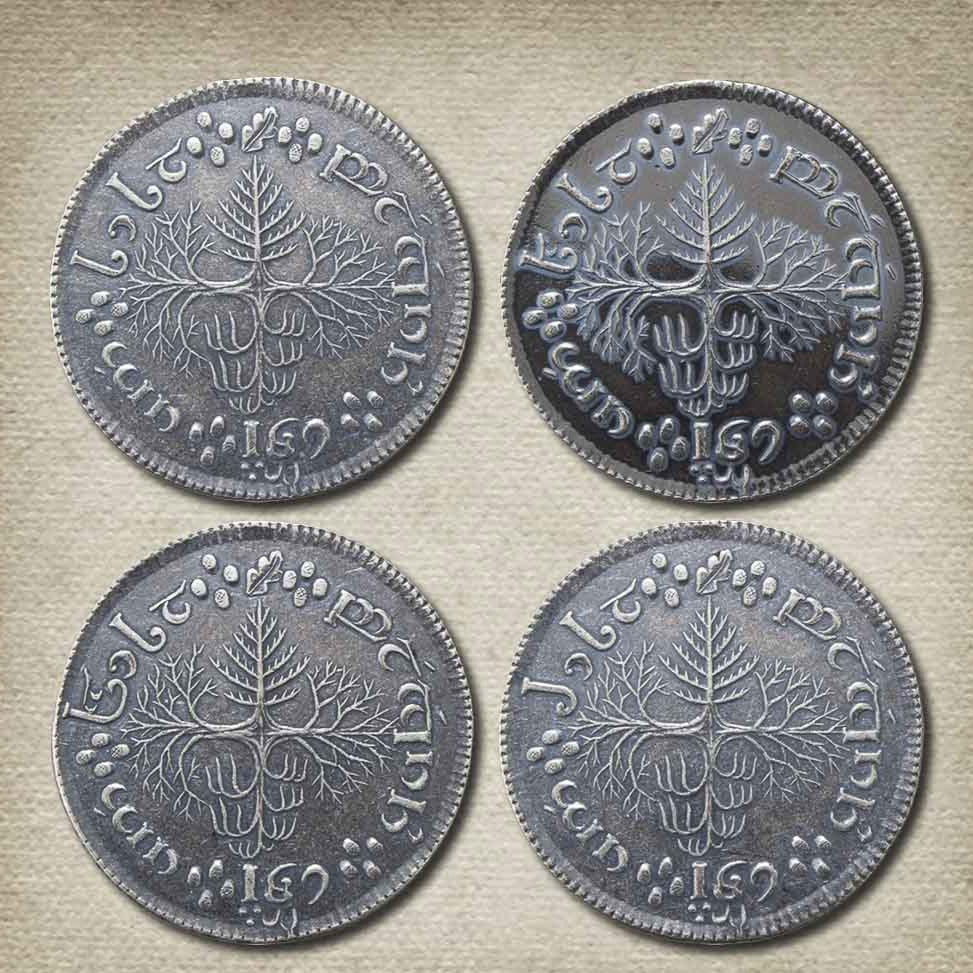
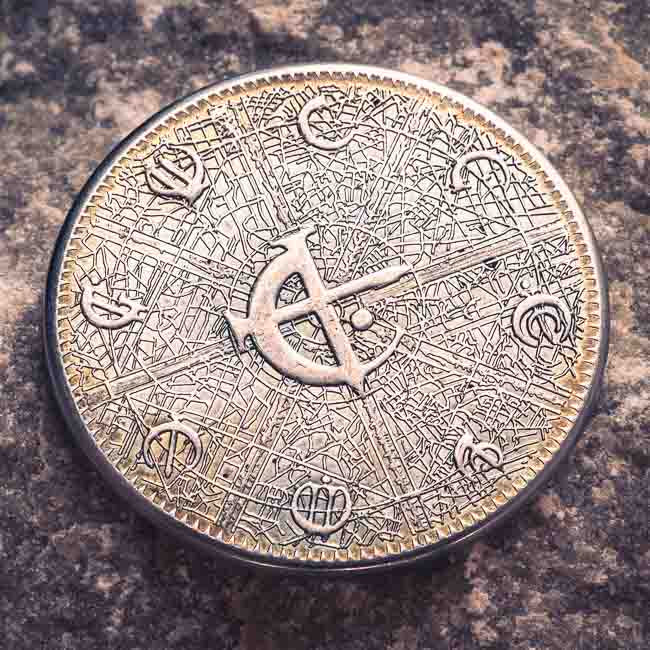
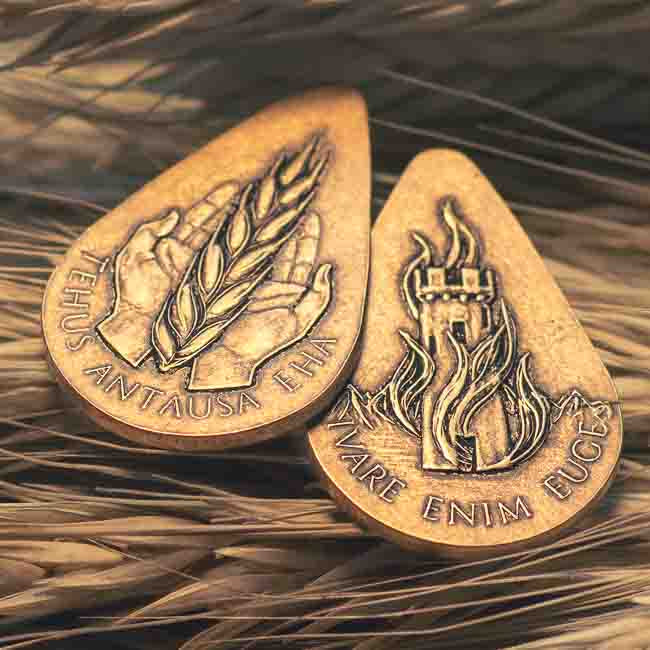
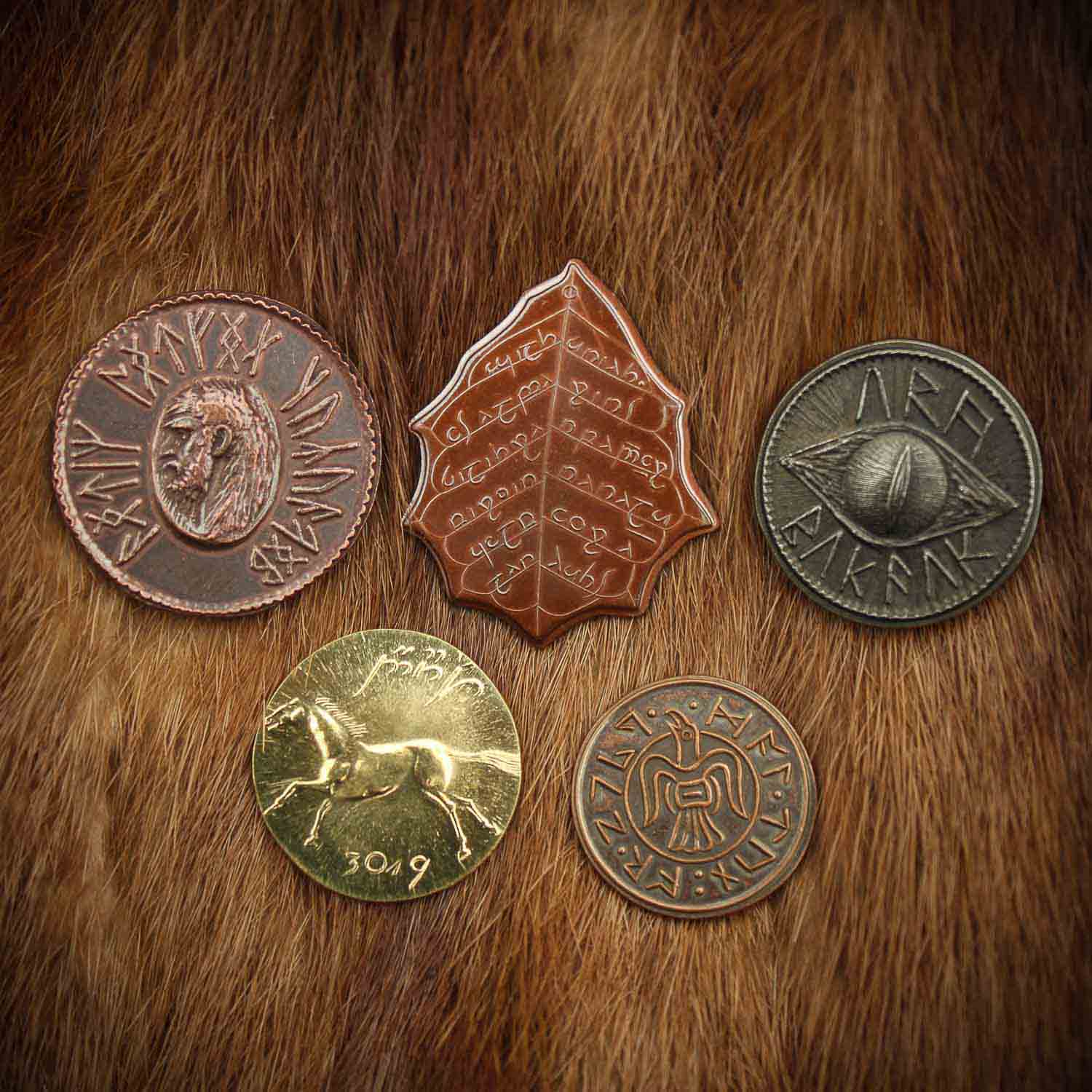
       Sewing buttons have been around for ages... small bits of something-or-other attached to clothing to secure flaps and closures. It was inevitable that they would eventually become objects of craft and beauty. The golden age of buttons probably started in the late 1600s and extended well into the late 1800s, when fashion dictated elaborate and sometimes very specific designs. Buttons have been made out of almost every conceivable kind of material, but here at Broadbottom we use the metalworking facilities at Shire Post Mint and concentrate on that particular aspect of buttonmaking that relates to metalwork and specifically coining technology. Our button designs are based largely on fantasy coin designs. They are struck in small numbers in brass, copper, or silver on hardened steel dies that have been made for the purpose, and are backmarked to show their origin. Due to the traditional methods we use they may have an antique appearance even though they may be almost brand new! Whether you are seeking a set of buttons to adorn a favourite vest or to hold suspenders on workpants, or simply wish to enjoy them for their beauty and subject matter, Broadbottom will be able to serve! 


You can go directly to the  Online Store if you'd like to purchase some of our buttons. Not all the buttons below have been uploaded to the store, but most are available by contacting us directly by email. We also have many new designs not shown. Feel free to inquire if there is some specific type or material or subject that you are seeking.

49 handmade buttons


Frequently asked questions:

Q:  How do you design a new button?

A: The basic idea is to use vintage buttons as a rough guide to the historical pattern of button making and design, and then to use that information to guide in the design work. We strive for authenticity and realism, so great effort is put forth to design a button such that it can be used for the design-function of clothing closures or ornamentation, while we also understand that many people collect buttons and enjoy them simply for themselves without ever intending to use them on a garment. Our design philosophy is: Useful objects of great beauty, not beautiful objects of no use."

Q:  How do you make buttons?

A: Buttons are made by the same process used to make coins, with a few technical differences. The basic process is that a hardened steel "die" is created with a negative (backward) impression of the desired design. Two dies are then pressed or "struck" with the cold metal blank between, using great force (typically 50 to 150 tons). Unlike coins, buttons need to be fairly light in weight in order to accomplish their design function, so the thickness of metal tends to be less than with a coin. This dearth of metal can cause problems of "strikeup" or the ability of the metal to flow and fill the cavity in the die to fully form the design, particularly if the design features high relief. So sometimes instead of using a back-die the button blank will be struck with a plain flat face or "hammer die", and occasionally a sacrificial blank or "backer" may even be used to help push the metal into the die. The three major technical problems are: making the blanks, making the dies, and applying the necessary amount of force, with many minor problems associated with each! Early struck metal buttons were struck by hand using hammers, such pieces are necessarily small and with low relief. The evolution of minting has basically followed the evolution of industry, as larger presses and better steels have become available.

Q:  Where do the dies come from?

A: We have a large collection of dies at Shire Post Mint. Some of them were created from scratch right here... some of them originally used to make fantasy "coins". Die making is extremely exacting and meticulous and can take days or sometimes weeks of work in an area as small as one square inch. Due to that constraint, some of the die work is jobbed out to professional engravers who are specialists and can do more realistic portraits that I ever could. And we have also been successful in acquiring a large number of vintage hubs from various different sources over the years. Hubs are steel carvings in the positive that are used to "hob" dies bearing the reverse image of the hub. They can be used singly or in combinations to create a die design that would be very difficult to engrave directly... especially high relief types. Before the advent of computer controlled machining master engravers would create these image hubs in order to create dies for some project. While the working die went out to the pressroom, the hub went on a shelf and became an asset of the firm, an image that could be modified and reused, perhaps many times, in the die-making process. Since many of these early shops have gone out of business due to competition from Asia, it sometimes happens that a hub collection would become available. We have been energetic in seeking out and purchasing single pieces and collections of these master hubs. After hobbing and engraving the die-blank must be heat treated. This involves heating it to a bright red heat (about 1500 degrees f) and plunging it into cold water to harden it, then cooking it slowly at a lower temperature to temper. Even with modern steels and heat-treating procedures, die breakage is a constant problem.

Q:  What about casting and pewter?

A: Casting, or pouring molten metal into a mold, is an important historical method of producing buttons, particularly those of low melting alloys like pewter. Indeed, there are a few people who still pursue this tradition and make lovely buttons. At this time Broadbottom prefers to concentrate on the striking method because of the extreme crispness and clarity of the image that becomes possible, and our familiarity with that process due to our coinmaking experience.

Q:  What metals do you make buttons out of?

A: Copper, brass, bronze, and silver are the main metals being used. Some confusion may result from the use of these terms however, since there are many "brass" and "bronze" alloys. Our copper is either pure copper (~99.7% Cu), "Tombac" (95% Cu, 5% zinc) or "Lake Copper" (99% Cu, 1% Ag). Our brasses are usually either "Cartridge Brass" (70% Cu, 30% Zn) or "Red Brass" (90% Cu, 5% Zn). Our bronzes are either "Bell Bronze" (87.5% Cu, 12.5% Sn) or "Nickle Bronze" (70% Cu, 24% Zn, 6% Ni).  Our silver pieces are usually either "Coin Silver" (90% Ag, 10% Cu), "Sterling Silver" (92.5% Ag, 7.5% Cu), "Argentium" (92.5% Ag, 6.3% Cu, 1.2% Ge), or "Fine Silver" (~99.9% Ag). I also plan to smelt up some custom alloys in the near future. I hope to create some special backstamps to mark buttons with their precise composition. 

Q:  What about the shanks?

A: At this point in time all our button shanks are of the silver soldered loop type. We make all our shanks right here, coiling nickel silver wire on a mandrel using the metal lathe, cutting the rings apart, squaring the ends, and flattening a seat on the base before soldering. The solder is a low-melting silver bearing type. All buttons are shanked one at a time by hand... there are no shortcuts to this... and manually checked for strength. 

Q:  What other equipment do you use at Broadbottom Buttonery to make your buttons?

A: We have a small one-person workshop and use mostly antique equipment. There are currently eight presses on the shop floor... five screw presses, one lever action kick-press, one large knuckle press and one large hydraulic press. They range in force-capacity from about 10 tonnes up to 300 tonnes. The smaller presses are mostly used for punching blanks, ejecting coins from collars, and die-sinking, while the three largest are used for heavy die-hobbing and all the actual blank-striking tasks. The presses are all antique mechanical devices which have been made functionally obsolete with respect to modern minting practices by advances in computer controlled presses. The hydraulic is the most modern of the group, but even that one is considered obsolete by most modern shops. And yet, they still work for their design function, albeit slowly, and they possess a beauty and classic grace which more modern equipment simply cannot match! We also have support equipment including a rolling mill, metal lathe, milling machine, pantomill, grinders, band-saws, heat-treating furnace, smelting furnace, and several different sized tumbling drums and rollers for polishing blanks and antiquing finished coins. 

  Q:  How often do you make new button designs?

A: Usually there are at least two new ones per month, even if we have to cut dies from scratch. If we are able to utilize hubs from the collection the die-sinking can go faster, perhaps a new one each weeek. We are always seeking requests for design subjects that have not occurred to us.

Q: How can I get started making my own metal buttons?

A:  If you have some workspace and are familiar with metal-working you may already have most of what is needed to get started. The presses are awfully nice once you get going... but you can do quite a lot of smaller buttons with nothing but a six pound hammer! Investigate your local chapter of the SCA (Society for Creative Anachronism) which has a "Moneyer's Guild" and often accepts apprentices. The ANA (American Numismatic Association) hosts a seminar each year with classes on die-engraving and other coining techniques. The best introductory book available is THE ART AND CRAFT OF COINMAKING by Denis R. Cooper, Spink & Son Ltd. London, (ISBN 0907-605-27-3) which goes through the entire evolution of coin-making from ancient times to modern. A solid foundation in coinmaking will help get started in metal buttons. Jewelery making techniques are also very useful, especially when it comes to shanks. Finally... seek out and closely examine vintage buttons of the kind that you especially like and see how they were made. Look for tool marks and parting lines, seeking to reverse-engineer the design. It should not be necessary to reinvent the wheel (as they say) because all the basic problems have already been solved at some point... but there is no how-to manual for this.


You can take a WORKSHOP TOUR if you like... and see some of the equipment we're talking about.


And the purpose of it all?
This is all for fun and enjoyment! Broadbottom Buttons are used in costuming to lend a sense of tangibility and realism to the fantasy worlds of the imagination. They are also used in the field of button collecting where the multiplicity of designs and textures helps people put together cards of buttons based on a theme or concept.


Here are some more links!


Online Store
...where handmade buttons and other items ar available to purchase


Return to ShirePost Home Page


            We hope you enjoy perusing this site! Broadbottom Buttonery is devoted to the premise that a useful everyday object, well made and beautiful, can enhance our enjoyment and appreciation of life. The handcrafted objects that were once commonplace in the world are becoming increasingly rare. We seek to change that!